
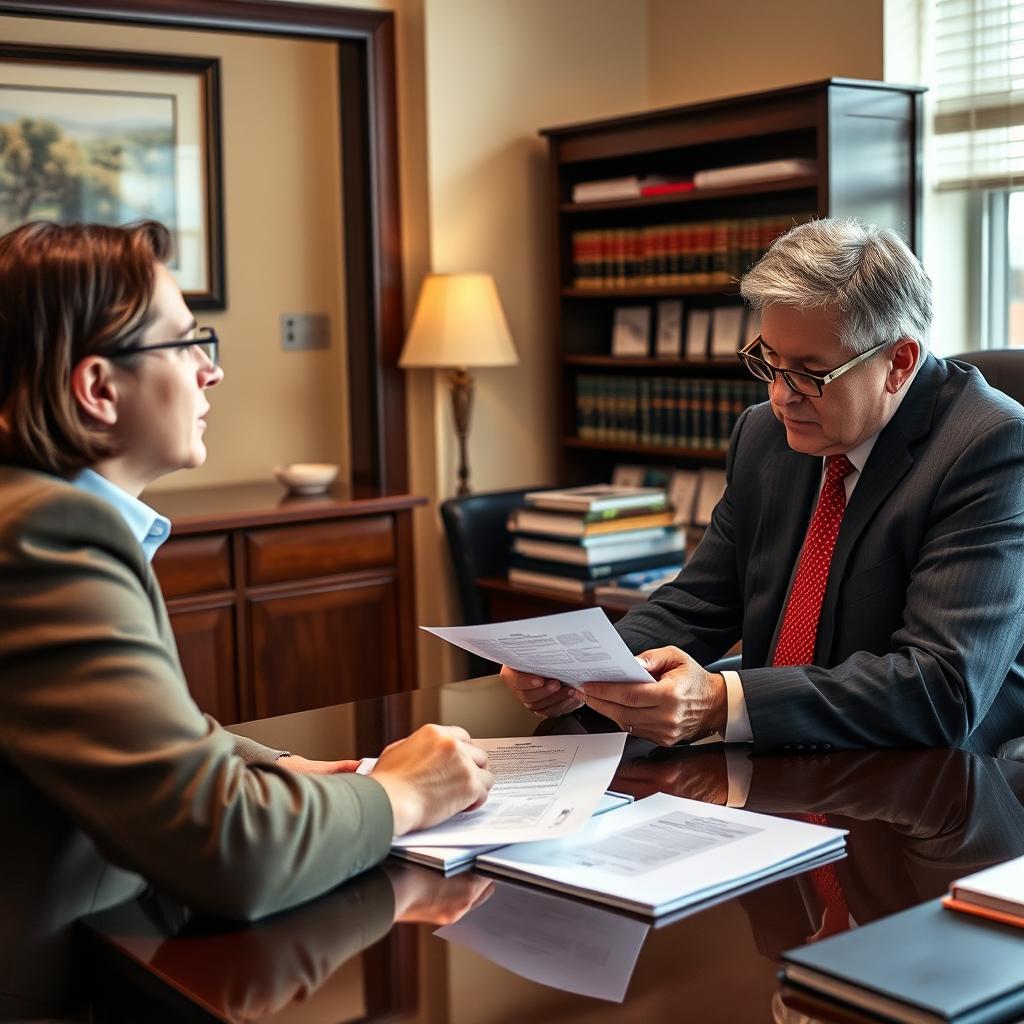
Use of a Firearm in Crime of Violence lawyer Virginia Beach, VA
Under 18 U.S.C. § 924(c), using or carrying a firearm during and in relation to a crime of violence is a federal offense that carries mandatory minimum prison time, separate from and consecutive to any sentence for the underlying crime. In Virginia Beach, these charges are prosecuted in the U.S. District Court for the Eastern District of Virginia, Norfolk Division, where the U.S. Attorney’s Office pursues firearm‑related cases rigorously. Law Offices Of SRIS, P.C., founded in 1997, provides defense representation for individuals facing federal firearms charges in the Hampton Roads area. Mr. Sris, Owner and Founder of the firm, and the firm’s Of Counsel attorneys have experience handling federal criminal matters across the Eastern District. To discuss your situation, call (888) 437‑7747. Law Offices Of SRIS, P.C. – Advocacy Without Borders.
What Federal Firearms Charges Mean in Virginia Beach
A federal charge for using a firearm in a crime of violence is separate from any state prosecution. Federal law imposes consecutive mandatory minimum sentences that begin only after the conclusion of any other federal sentence. There is no parole in the federal system, and the U.S. Sentencing Guidelines often result in lengthy incarceration. In the Eastern District of Virginia, which includes Virginia Beach and the Hampton Roads region, the Norfolk Division courthouse at 600 Granby Street in Norfolk handles these cases.
Federal investigations frequently involve multiple agencies—the ATF, FBI, or DEA—and often begin long before an arrest. A grand jury indictment is required for felony prosecution, and the government may introduce evidence of the underlying violent crime together with the firearm charge. Because § 924(c) charges can arise from any federal crime of violence, they appear in cases ranging from drug trafficking to carjacking to robbery affecting interstate commerce. A thorough understanding of how the U.S. Attorney’s Office for the Eastern District of Virginia presents such cases is essential to building a well‑prepared defense.
How Mr. Sris and the Firm’s Of Counsel Attorneys Handle Federal Firearms Cases
Federal firearm prosecutions move through distinct procedural stages: initial appearance before a magistrate judge, detention hearing, arraignment, discovery, pretrial motions, and trial. Law Offices Of SRIS, P.C. approaches each stage with an eye toward preserving legal challenges—whether through seeking suppression of evidence obtained in violation of the Fourth Amendment, contesting the government’s proof that the defendant “used” or “carried” a firearm “during and in relation to” the predicate crime of violence, or arguing for safety‑valve or substantial‑assistance departures where available.
Because the government must prove beyond a reasonable doubt that the firearm was brandished or discharged if it seeks the enhanced mandatory minimums, scrutinizing the evidence—witness statements, forensic reports, surveillance video—is a key part of the firm’s approach. The firm’s attorneys work with attorneys when necessary and negotiate with federal prosecutors to secure the most favorable resolution possible under the circumstances. Every case is different; outcomes depend on the specific facts and the applicable law.
About Mr. Sris and the Firm’s Of Counsel Attorneys
Mr. Sris, Owner and Founder of Law Offices Of SRIS, P.C., concentrates a portion of his practice on federal criminal defense. A former prosecutor, he has been practicing since 1997 and is admitted in Virginia, Maryland, the District of Columbia, New Jersey, and New York. Mr. Sris testified before the Virginia House Courts of Justice Committee in support of 2019 HB 635 (chief patron Del. David Bulova).
The firm’s Of Counsel attorneys bring extensive combined legal experience to federal firearms cases. Several have backgrounds that include prosecution at the state or federal level, and all are experienced trial attorneys who appear regularly in the U.S. District Court for the Eastern District of Virginia. The firm’s attorneys work collaboratively, drawing on their collective knowledge to address the complex statutory and sentencing issues that § 924(c) charges present. Results may vary.
Frequently Asked Questions
What is considered a “crime of violence” under federal law for firearm charges?
A crime of violence for purposes of 18 U.S.C. § 924(c) is a felony that has as an element the use, attempted use, or threatened use of physical force against another person or property, or that by its nature involves a substantial risk that physical force may be used. Federal courts use a categorical approach to determine whether a specific offense qualifies. Many predicate offenses—such as carjacking, robbery under the Hobbs Act, and drug trafficking with violence—can support a § 924(c) charge. The precise definition has been the subject of evolving case law, and whether a particular offense qualifies is a question that must be analyzed under current precedent.
What are the mandatory minimum sentences for using a firearm in a crime of violence?
Federal law imposes mandatory minimum prison terms that increase based on whether the firearm was carried, brandished, or discharged. The minimum sentence for simply carrying a firearm during a crime of violence is lower than the term for brandishing, and the highest mandatory minimum applies when the firearm is discharged. All § 924(c) sentences must be served consecutively to any other federal sentence, and there is no parole. The actual term imposed depends on the specific subsection charged, any applicable enhancements, and judicial findings at sentencing.
How does a federal firearm case differ from a state gun charge in Virginia?
Federal firearm charges are prosecuted in U.S. District Court under the Federal Rules of Criminal Procedure, carry mandatory minimum sentences, and offer no possibility of parole. State gun charges in Virginia are prosecuted in General District or Circuit Court and can include offenses like brandishing or carrying a concealed weapon without a permit. Federal sentences are generally longer, and the federal system has a different approach to plea negotiations, detention, and evidentiary discovery. Because federal cases often involve multiple agencies and longer investigations, the evidentiary record can be more extensive. The decision to proceed federally often reflects the seriousness of the alleged offense and the prosecutorial resources behind it.
What should I do if I am under investigation for a federal firearm offense?
Do not discuss the matter with anyone except your attorney, and do not consent to searches or interviews without legal representation. Federal investigations can unfold over months before charges are filed. Preserve any documents or communications that may be relevant, but avoid talking about the case on social media or with friends. Engaging an experienced federal defense attorney early allows you to assess the government’s likely theory, protect your rights during any grand jury proceedings, and potentially negotiate a more favorable resolution before an indictment is returned. Contact Law Offices Of SRIS, P.C. at (888) 437‑7747 for a consultation.
How does the federal sentencing process work after a conviction?
After a conviction or guilty plea, a presentence investigation report is prepared, and the court determines the sentencing range under the U.S. Sentencing Guidelines before imposing a sentence. The guidelines are advisory but heavily influence the outcome. For § 924(c) convictions, the mandatory minimum terms override any lower guideline range. A sentencing hearing gives both sides the opportunity to argue for departures or variances—for example, based on the defendant’s history, acceptance of responsibility, or substantial assistance to the government. The judge has discretion to impose a sentence outside the guideline range, subject to appellate review, but cannot go below any mandatory minimum unless an exception such as safety‑valve or substantial‑assistance applies.
Internal links — Federal Criminal Defense in Virginia:
Fairfax County Federal Criminal Lawyer |
Prince William County Federal Criminal Lawyer |
Manassas Federal Criminal Lawyer |
Fairfax City Federal Criminal Lawyer |
Falls Church Federal Criminal Lawyer
Official sources:
U.S. District Court for the Eastern District of Virginia |
18 U.S.C. § 924 — Federal Firearms Offenses |
Virginia Judicial System
Attorney advertising. Prior results do not guarantee a similar outcome. Results may vary. The firm’s attorneys are licensed in the jurisdictions indicated; not all practice areas are available in every state. Contacting Law Offices Of SRIS, P.C. Does not create an attorney‑client relationship. A signed engagement agreement is required for representation.
Case results depend on a variety of factors unique to each case.