
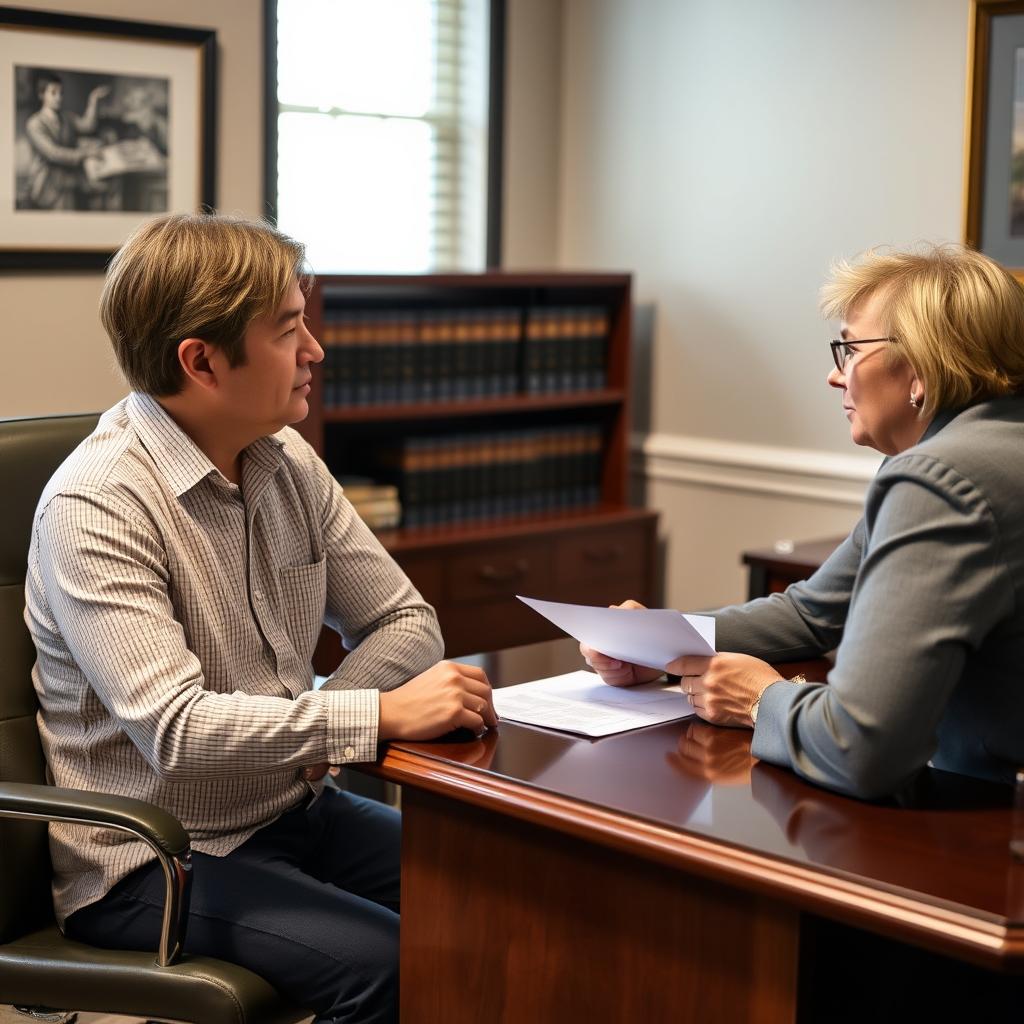
Rehabilitative Alimony Lawyer Virginia Beach, VA
Rehabilitative alimony is a form of spousal support ordered by a Virginia court to help a financially dependent spouse gain the education, training, or work experience necessary to become self‑supporting. In Virginia Beach, these matters are decided under Va. Code § 20‑107.1, which requires the judge to evaluate multiple statutory factors before setting the amount and duration of support. Law Offices Of SRIS, P.C. represents clients in rehabilitative alimony proceedings — whether you are seeking support to rebuild your career after a divorce or responding to a request for support, Mr. Sris and his Of Counsel bring extensive combined legal experience to your matter. To discuss your situation, reach our location at (888) 437‑7747. Law Offices Of SRIS, P.C. – Advocacy Without Borders.
Understanding Rehabilitative Alimony in Virginia Beach
Unlike permanent or indefinite forms of support, rehabilitative alimony is time‑limited and goal‑oriented — its purpose is to provide a transitional source of income while the recipient spouse pursues a defined plan to achieve financial independence. The Virginia Beach Circuit Court, located at 2425 Nimmo Parkway, Building 10B, has authority over divorce and equitable distribution cases, including all requests for spousal support. When a rehabilitative alimony award is appropriate, the court typically approves a rehabilitation plan that may include college tuition, vocational certification programs, or job‑placement assistance. The court’s focus is on giving the recipient spouse a realistic opportunity to become self‑supporting within a reasonable period, not on equalizing the parties’ incomes indefinitely.
Several factors influence a rehabilitative alimony determination. The court examines the length of the marriage, each spouse’s earning capacity, the standard of living established during the marriage, the age and health of the parties, the contributions each spouse made to the family — including non‑monetary contributions such as homemaking and child‑rearing — and the time and expense the recipient spouse will need to acquire suitable employment. Because Virginia is an equitable distribution state, property division may also affect whether rehabilitative support is awarded, as a spouse who receives significant marital assets may have less need for ongoing assistance. Mr. Sris and his Of Counsel carefully analyze the intersection of property division and spousal support to develop a cohesive strategy that protects your interests.
How Mr. Sris and His Of Counsel Handle Rehabilitative Alimony Cases
Every rehabilitative alimony matter is unique, and the approach taken by Law Offices Of SRIS, P.C. Reflects the specific goals of the client. When representing a spouse who needs support, the focus is on constructing a clear and credible rehabilitation plan — for example, enrolling in a degree program that leads to a recognized credential, obtaining a professional license, or completing a skills‑training course that is tied to a realistic job market in the Virginia Beach region. Mr. Sris and his Of Counsel present evidence of the need, the plan, and the projected timeline, and they work with vocational attorneys when necessary to substantiate the plan’s feasibility.
When representing a spouse who is being asked to pay rehabilitative alimony, the team examines whether the requesting spouse’s current earning capacity is already sufficient to meet reasonable needs or whether a rehabilitation plan is overly speculative. In some cases, alternative arrangements such as a lump‑sum property settlement in lieu of ongoing support may be more advantageous. Throughout the process, Mr. Sris and his Of Counsel remain attentive to the procedural requirements of the Virginia Beach Circuit Court, including compliance with local scheduling orders and discovery deadlines, to keep the case moving efficiently.
About Mr. Sris and His Of Counsel
Mr. Sris, Owner and Founder of Law Offices Of SRIS, P.C., has practiced family law since 1997. He is admitted in Virginia, Maryland, the District of Columbia, New Jersey, and New York. Mr. Sris testified before the Virginia House Courts of Justice Committee in support of 2019 HB 635 (chief patron Del. David Bulova), legislation that revised the equitable distribution framework in Va. Code § 20‑107.3. His firsthand understanding of the statutory underpinnings of Virginia divorce law provides clients with informed representation in rehabilitative alimony matters.
Mr. Sris is supported by a team of Of Counsel attorneys who collectively bring extensive combined legal experience. The firm’s Richmond Location, at 7400 Beaufont Springs Drive, Suite 300, Room 395, Richmond, VA 23225, serves clients throughout the Virginia Beach area, including the communities of Sandbridge and Oceana. Contact our location at (888) 437‑7747 to schedule a consultation. Results may vary.
Frequently Asked Questions
What is rehabilitative alimony in Virginia?
Rehabilitative alimony is spousal support awarded for a limited time to help the recipient spouse obtain education, training, or work experience needed to become self‑supporting. Under Va. Code § 20‑107.1, the court determines the amount and duration after weighing statutory factors. The goal is to give the supported spouse a realistic opportunity to achieve financial independence, after which the support obligation ends. The court expects the requesting spouse to present a concrete rehabilitation plan tied to a specific vocational or educational objective.
How long does rehabilitative alimony last in Virginia?
There is no fixed number of months or years; the duration is linked to the time reasonably necessary for the recipient spouse to complete a rehabilitation plan and become self‑supporting. The court evaluates the plan’s complexity, the recipient’s prior education and work experience, and the local job market. If circumstances change — such as the recipient finding suitable employment sooner than anticipated — either party may seek a modification. The timeline is fact‑specific and varies by case.
Do I need a lawyer for a rehabilitative alimony case in Virginia Beach?
You are not legally required to have a lawyer, but an experienced family law attorney can help investigate and present the evidence that courts use to set a fair support award. A lawyer knows how to construct a persuasive rehabilitation plan, gather expert testimony if necessary, and challenge an opposing plan that appears unnecessary or impractical. Mr. Sris and his Of Counsel appear in the Virginia Beach Circuit Court and are familiar with its procedural practices. For guidance on your specific situation, reach Law Offices Of SRIS, P.C. at (888) 437‑7747.
What factors does the Virginia court consider when deciding rehabilitative alimony?
The court weighs the factors listed in Va. Code § 20‑107.1(E), including financial resources, earning capacity, the standard of living during the marriage, the duration of the marriage, and the time and expense required for retraining. Other considerations include the age and physical condition of each spouse, the contributions made to the family, and whether one spouse supported the other’s education or career. The court may also consider fault grounds if they are relevant to the need for support.
Can rehabilitative alimony be modified after it is ordered?
Yes, a party may request modification of rehabilitative alimony if there has been a material change in circumstances since the entry of the last order. Examples include the recipient completing the rehabilitation plan ahead of schedule, finding a job that pays more than anticipated, or the paying spouse suffering a significant involuntary income loss. The party seeking modification must file a motion with the court and present evidence of the changed condition. To discuss the details of your matter, contact Law Offices Of SRIS, P.C. at (888) 437‑7747.
What if my spouse refuses to pay the rehabilitative alimony ordered by the court?
If an ex‑spouse fails to pay court‑ordered rehabilitative alimony, the recipient may seek enforcement through contempt proceedings or wage garnishment. The Virginia Beach Circuit Court has authority to enforce its own orders. Depending on the circumstances, the court may order the delinquent spouse to pay arrears, attorney fees, and, in some cases, a jail sentence for willful noncompliance.
Does marital fault affect rehabilitative alimony in Virginia?
Yes, the court may consider fault grounds — such as adultery or cruelty — when determining the amount and duration of rehabilitative alimony under Va. Code § 20‑107.1. Fault is not automatically a bar to receiving support, but it can influence the court’s analysis of need and fairness. A spouse who committed adultery, for example, may be barred from receiving support if the adultery was the cause of the marriage’s breakdown. The specific facts of each case are critical.
Is rehabilitative alimony taxable in Virginia?
For federal income tax purposes, spousal support payments under agreements or orders executed after December 31, 2018 are neither deductible by the payer nor includible as income by the recipient. Virginia follows federal tax treatment. For divorce instruments executed before 2019, the old rules may still apply unless modified. Any tax‑related questions should be discussed with a qualified tax professional. Reach our location at (888) 437‑7747 to discuss the overall financial implications of your case.
How do I find a rehabilitative alimony lawyer near Virginia Beach?
You can contact Law Offices Of SRIS, P.C. at (888) 437‑7747 or request a consultation through our website. Mr. Sris and his Of Counsel serve clients from Oceanfront, Town Center, Sandbridge, Oceana, and throughout Virginia Beach. Our Richmond Location is accessible for in‑person meetings by appointment, and we also conduct virtual consultations when preferred. Please be aware that any discussions held over the phone or in person do not create an attorney‑client relationship until a written engagement agreement is signed.
What should I bring to my first consultation about rehabilitative alimony?
It is helpful to bring financial documents such as tax returns, pay stubs, a list of monthly expenses, information about any retirement accounts or other assets, and a written outline of the rehabilitation plan you propose or oppose. Also bring any existing separation agreement or court order. An organized file assists in evaluating the likely amount and duration of support. For a consultation, reach Mr. Sris and his Of Counsel at (888) 437‑7747.
Learn more about family law in other Virginia localities:
Fairfax County family law lawyer · Fairfax City family law lawyer · Falls Church family law lawyer · Prince William County family law lawyer · Manassas family law lawyer
Official resources: Virginia Code Title 20 (Domestic Relations) · Virginia Judicial System
Attorney advertising. Prior results do not guarantee a similar outcome. Case results depend on a variety of factors unique to each case. Attorney responsible for this advertising: Mr. Sris. Results may vary. Engaging Law Offices Of SRIS, P.C. Requires a signed written engagement agreement. The firm maintains a Richmond Location at 7400 Beaufont Springs Drive, Suite 300, Room 395, Richmond, VA 23225. Appointments are scheduled by calling (888) 437‑7747. No representation is made that the quality of legal services to be performed is greater than the quality of legal services performed by other lawyers.