
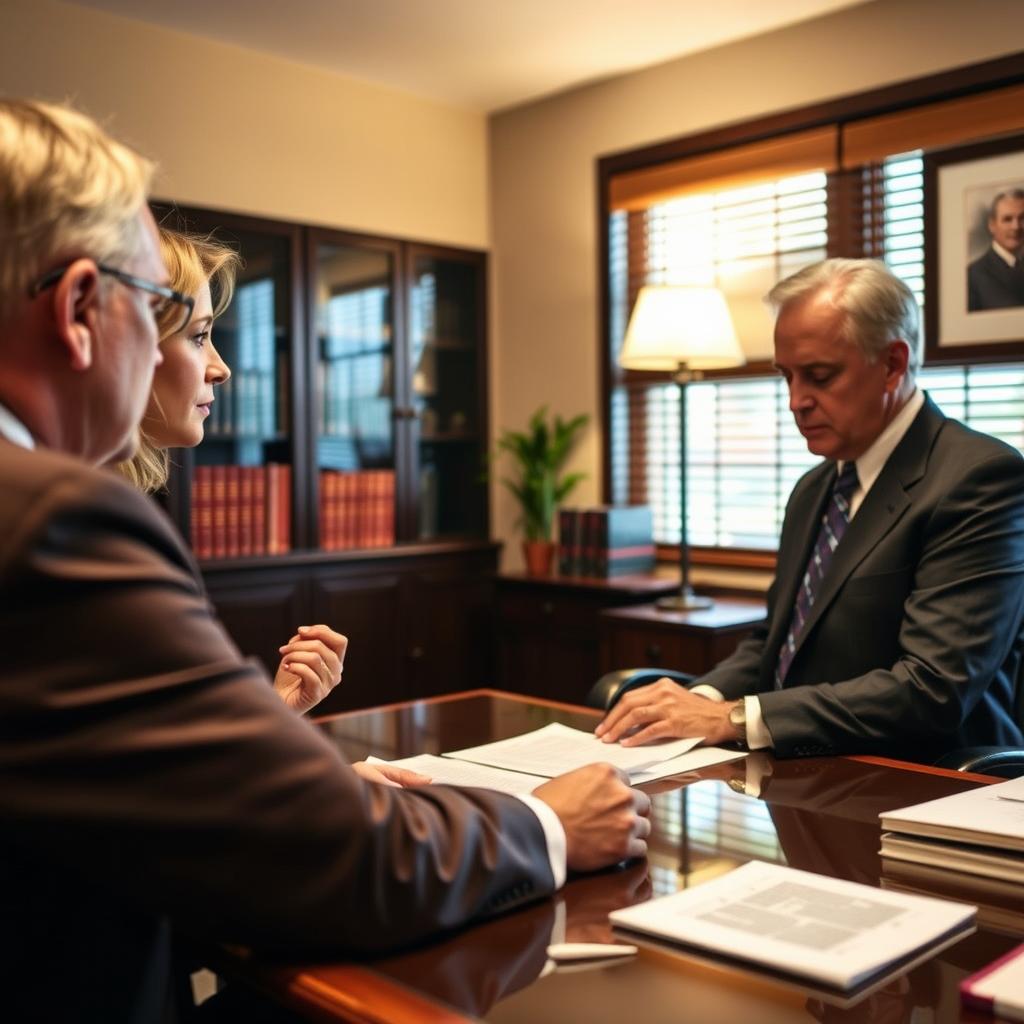
Rehabilitative Alimony Lawyer Poquoson, VA
Rehabilitative alimony is one of the most consequential—and misunderstood—forms of spousal support in Virginia. When a marriage ends and one spouse needs time and resources to become self‑supporting, the Poquoson Circuit Court can order rehabilitative alimony under Va. Code § 20‑107.1. For a spouse who gave up a career or education to support the family, those payments can make the difference between a stable future and years of financial strain. For the paying spouse, the amount, duration, and conditions of rehabilitative alimony directly affect their post‑divorce budget and retirement plans. Because Poquoson is a small, close‑knit city on the Chesapeake Bay, family law matters here often involve tightly held businesses, military pensions, and waterfront property whose valuation and income potential are not always straightforward. Law Offices Of SRIS, P.C. Concentrates its practice on helping clients in Poquoson (City) reach well‑thought‑out alimony arrangements—whether through a negotiated separation agreement or through litigation before the Circuit Court at 500 City Hall Avenue. For a consultation, call (888) 437‑7747. Law Offices Of SRIS, P.C. – Advocacy Without Borders.
What Rehabilitative Alimony Means in Poquoson, Virginia
Rehabilitative alimony is spousal support with a purpose: to give the recipient spouse the time and resources to obtain the education, training, or work experience needed to become economically self‑supporting. Unlike permanent or indefinite alimony, rehabilitative alimony is designed to end once the recipient completes a realistic rehabilitation plan. In Poquoson (City), the same judges who hear divorce cases in the Eighth Judicial District also handle the equitable distribution of marital assets—and they evaluate rehabilitative alimony requests under the 13 statutory factors listed in Va. Code § 20‑107.1. Because Poquoson is an independent city with a small population, the Circuit Court sees a manageable docket, and the presiding judge has the time to scrutinize each party’s vocational history, contributions to the marriage, and current earning capacity. That close attention cuts both ways: a well‑prepared case stands out, but a poorly documented rehabilitation plan will meet resistance.
One factor that frequently shapes Poquoson cases is the presence of military retirement benefits. The city lies near Langley Air Force Base and Joint Base Langley‑Eustis, so many families have one spouse who served in the military while the other stayed home. Rehabilitative alimony often comes up when the non‑military spouse needs a college degree or professional certification to re‑enter the workforce after a long absence. The court will consider the length of the marriage, the standard of living established, and the realistic education or training costs when it sets the amount and duration of support. Another consideration is the local job market: Poquoson is not a major employment center, so the court may take into account the extra time and expense of commuting to Newport News, Hampton, or Williamsburg for work or school. The Richmond location of Law Offices Of SRIS, P.C. Regularly appears in Poquoson Circuit Court on family law matters, and Mr. Sris and his Of Counsel understand how these local dynamics influence judicial decisions.
How Mr. Sris and His Of Counsel Handle Rehabilitative Alimony Cases
A rehabilitative alimony claim requires more than just stating that one spouse needs support. Mr. Sris and his Of Counsel build a well‑documented factual record that addresses every statutory factor the court will weigh. For the spouse seeking support, that often means putting together a concrete rehabilitation plan: a specific degree or certificate program, an itemized tuition and cost estimate, a realistic timeline, and evidence of the job market for that field. For the spouse who might pay alimony, the focus shifts to testing whether the plan is genuinely necessary and whether the claimed expenses are reasonable. In many Poquoson divorces, the parties negotiate the terms of rehabilitative alimony as part of a broader separation agreement, which avoids a contested hearing. When settlement is not possible, Mr. Sris and his Of Counsel present the case to the Circuit Court with expert testimony—vocational evaluators, accountants, and sometimes academic advisors—so that the judge has a full picture of the financial realities.
Because Virginia is an equitable distribution state, the value of marital property and the division of assets often intersect with alimony. The court must consider how property division affects each spouse’s need for support. For example, if one party receives the family home, the associated mortgage and maintenance costs can influence the amount of rehabilitative alimony. Mr. Sris and his Of Counsel coordinate alimony strategy with the equitable distribution phase of the case to avoid double‑counting or unintended financial consequences. In Poquoson, where many families have retirement accounts, pensions, and real estate near the water, that coordination is especially important. The goal is always an outcome that leaves both parties on a clear path forward—whether through a one‑time lump‑sum payment in lieu of periodic alimony or through a structured schedule of payments that terminates once the recipient completes their rehabilitation.
About Mr. Sris and His Of Counsel Team
Mr. Sris, Owner and Founder of Law Offices Of SRIS, P.C., has practiced family law since 1997. He is a former prosecutor and is admitted to practice in Virginia, Maryland, the District of Columbia, New Jersey, and New York. Mr. Sris testified before the Virginia House Courts of Justice Committee in support of 2019 HB 635 (chief patron Del. David Bulova), which revised equitable distribution law. His thorough understanding of Virginia divorce and alimony statutes allows him to shape strategic arguments before the Poquoson Circuit Court. Alongside Mr. Sris, the firm’s Of Counsel team contributes decades of collective courtroom experience, including backgrounds in criminal law, civil litigation, and child welfare—perspectives that strengthen the firm’s ability to handle complex family law disputes. Together, Mr. Sris and his Of Counsel bring extensive combined legal experience to every rehabilitative alimony case they handle. Results may vary.
Frequently Asked Questions
What is rehabilitative alimony in Virginia?
Rehabilitative alimony is spousal support designed to help a dependent spouse obtain the education or training needed to become self‑supporting, and it is awarded under Va. Code § 20‑107.1. Unlike permanent support, it is limited to the period necessary to complete a specific rehabilitation plan. The court expects the recipient to make a good‑faith effort to become employable and will not order indefinite maintenance unless the recipient can show they are unable to work due to age, disability, or other compelling circumstances. In Poquoson, the Circuit Court applies the 13 statutory factors to determine whether rehabilitative alimony is appropriate and, if so, how much and for how long.
How do Virginia courts decide whether to award rehabilitative alimony?
Virginia courts evaluate 13 statutory factors, including each spouse’s earning capacity, contributions to the marriage, age, health, and the standard of living established during the marriage. The judge looks closely at whether the spouse seeking support actually needs time and resources to become self‑supporting and whether the paying spouse can afford to provide assistance. The court will scrutinize a written rehabilitation plan that lays out the specific education, training, or job‑search steps the recipient intends to take. In Poquoson, proximity to military installations and limited local employment options are practical considerations the court may weigh when setting the duration of support.
Can rehabilitative alimony be modified in Virginia?
Yes, rehabilitative alimony can be modified if there is a material change in circumstances, but the court will only extend support if the original rehabilitation plan was not achieved despite the recipient’s good‑faith efforts. The party seeking modification must file a motion with the Circuit Court and present evidence of the changed circumstances—for example, an unexpected job loss, a health crisis, or a school program that takes longer than anticipated. Because of the narrow statutory grounds, modification litigation requires careful documentation. Mr. Sris and his Of Counsel represent clients in Poquoson in both initial rehabilitative alimony determinations and later modification proceedings.
Do I need a lawyer for a rehabilitative alimony case in Poquoson, Virginia?
You are not legally required to have a lawyer, but rehabilitative alimony cases involve complex financial and legal issues that are difficult to navigate without experienced representation. The 13 statutory factors require detailed evidence, and the interplay between alimony, equitable distribution, and child support can create unintended consequences if not properly coordinated. A miscalculation in the rehabilitation plan—such as underestimating educational costs or overestimating future earnings—can leave a spouse with unrealistic obligations. Mr. Sris and his Of Counsel handle rehabilitative alimony matters in Poquoson (City) and the surrounding area. Contact the firm at (888) 437‑7747 to discuss your specific situation.
How does a Virginia lawyer handle a rehabilitative alimony claim?
An experienced attorney will assess the facts under Va. Code § 20‑107.1, gather documentation of each spouse’s income and expenses, develop a vocational rehabilitation plan if needed, and negotiate or litigate the terms of support. If settlement is possible, the attorney drafts a separation agreement that spells out the payment schedule, duration, and any conditions for early termination. When litigation is necessary, the lawyer presents evidence to the Circuit Court, calls expert witnesses such as vocational evaluators and accountants, and argues how the statutory factors apply to the parties’ situation. In Poquoson, familiarity with the Eighth Judicial District’s procedures and the local economy can be a significant advantage.
Explore related family law resources:
- Family Law Lawyer Fairfax County, VA
- Family Law Lawyer Prince William County, VA
- Family Law Lawyer Manassas (City), VA
Primary sources for Virginia family law:
Attorney advertising. Prior results do not guarantee a similar outcome. Case results depend on a variety of factors unique to each case. Results may vary.
Last reviewed: July 2026