
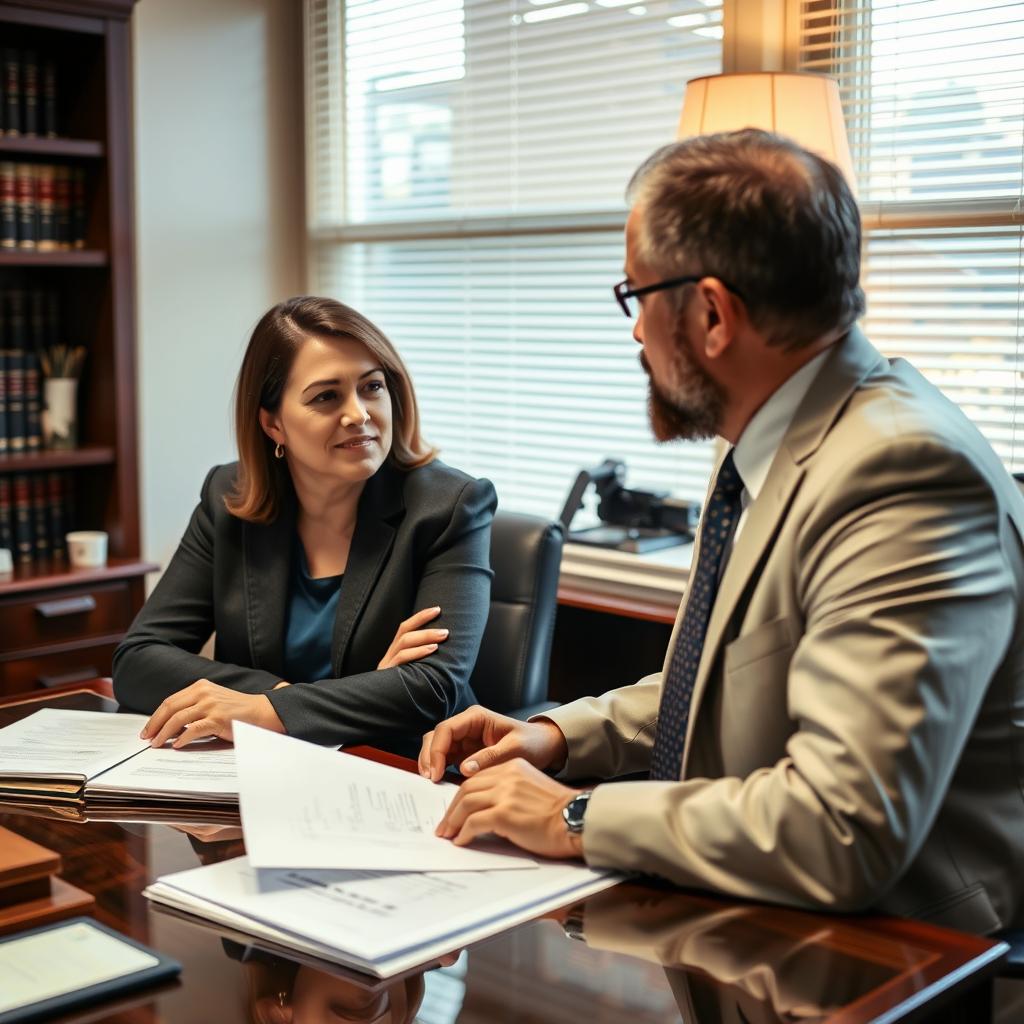
Loss of Consortium Lawyer James City County, VA
When a serious injury disrupts a family, the impact extends far beyond the injured person. A loss of consortium claim allows a spouse—and in some cases a parent or child—to seek compensation for the loss of companionship, affection, comfort, and services caused by another party’s negligence. In Virginia, these claims are derivative of the injured person’s personal injury action and are subject to the same strict rules, including a two‑year statute of limitations and the state’s pure contributory negligence standard. Mr. Sris, Owner and Founder of Law Offices Of SRIS, P.C., together with the firm’s Of Counsel attorneys, represents clients in James City County and throughout Virginia in loss of consortium and other personal injury matters. The firm’s Richmond location serves clients in Williamsburg, Norge, Toano, Lightfoot, and the surrounding communities. To discuss a potential claim, call (888) 437‑7747. Law Offices Of SRIS, P.C. – Advocacy Without Borders.
What Is a Loss of Consortium Claim in Virginia?
A loss of consortium claim seeks damages for the non‑economic harm a family member suffers when their loved one is injured by another’s wrongful act. In Virginia, the claim is most often brought by a spouse for the loss of marital services, companionship, and intimacy resulting from the injury. The claim is derivative—it depends on the injured spouse’s claim and generally cannot succeed if the injured spouse’s own claim is barred. Because Virginia follows the pure contributory negligence rule, any fault on the part of the injured spouse that contributed to the accident will defeat both the injury claim and the derivative loss of consortium claim. A spouse bringing a loss of consortium claim must prove that the defendant’s negligence caused the underlying injury and that the injury resulted in a genuine deprivation of the marital relationship. The claim is subject to the same two‑year statute of limitations under Va. Code § 8.01‑243(A) that applies to personal injury actions, running from the date of the underlying accident. James City County personal injury matters are typically filed in the James City County Circuit Court for claims above the General District Court jurisdictional limit, or in the General District Court for claims within its concurrent jurisdiction. Experienced representation is important because the insurance company will look for any evidence of contributory fault to deny the entire claim.
Frequently Asked Questions
What damages are available in a Virginia loss of consortium claim?
Damages in a Virginia loss of consortium claim include compensation for the loss of the spouse’s services, society, companionship, and sexual relations caused by the defendant’s negligence. A spouse may also recover for the loss of the injured spouse’s comfort, care, and affection during the period of recovery or, in cases of permanent injury, for the remainder of the marriage. Virginia does not impose a statutory cap on general damages for most personal injury claims, so the amount depends on the severity and permanence of the injury and the degree to which the marital relationship has been impaired. The claim is for non‑economic harm, meaning there are no receipts or bills—the spouse’s own testimony, along with testimony from family, friends, and medical providers, is often the primary evidence of what the relationship looked like before and after the injury.
Who can bring a loss of consortium claim in Virginia?
A spouse is the primary party who may bring a loss of consortium claim in Virginia; in limited circumstances, a parent may bring a claim for the loss of a child’s consortium. The Supreme Court of Virginia has not recognized a child’s independent right to sue for the loss of a parent’s consortium, except where a minor child has suffered a severe, permanent injury that significantly impairs the parent‑child relationship. Unmarried partners, however, do not have standing to bring a loss of consortium claim under current Virginia law. Because the claim is derivative, the spouse or qualifying family member must show that the injured person has a valid underlying personal injury claim against the defendant. If the injured person’s claim is barred by the statute of limitations or contributory negligence, the loss of consortium claim is also barred.
How does contributory negligence affect a loss of consortium claim in Virginia?
Virginia’s pure contributory negligence rule completely bars a loss of consortium claim if the injured spouse is found even one percent at fault for the accident. Because the claim is derivative, the same defense that defeats the injured person’s claim—contributory negligence—also extinguishes the spouse’s claim. This means that if an insurance adjuster or court determines the injured spouse contributed at all to the collision, such as by failing to maintain a proper lookout or driving slightly above the posted speed, the spouse’s loss of consortium claim fails entirely. This makes early evidence preservation, accident reconstruction, and witness identification especially critical in loss of consortium cases throughout James City County and across Virginia.
What is the statute of limitations for a loss of consortium claim in James City County?
Loss of consortium claims in Virginia are governed by the same two‑year statute of limitations that applies to personal injury actions under Va. Code § 8.01‑243(A). The two‑year period begins to run on the date of the accident that caused the injury. If the accident occurred in James City County—for example, on I‑64, Route 60, or a local roadway in Williamsburg or Norge—the spouse must file the claim within two years of that date. Failing to file within the limitations period will result in the claim being permanently barred regardless of its merits. Because the deadline is strict and there is no general “discovery rule” extension for most personal injury claims in Virginia, anyone contemplating a loss of consortium claim should seek legal guidance as early as possible to avoid inadvertently losing the right to recover.
Do I need a lawyer for a loss of consortium claim in James City County, VA?
While you are not legally required to hire a lawyer, pursuing a loss of consortium claim in Virginia without representation is extremely risky because of the state’s pure contributory negligence rule. The insurance company’s entire defense strategy will be directed at establishing even one percent of fault on the part of the injured person, which would eliminate both the injury claim and the derivative consortium claim. Mr. Sris and the firm’s Of Counsel attorneys understand how to gather evidence, consult with accident reconstruction and medical professionals, and negotiate with insurance carriers while protecting the claim from contributory‑fault arguments. In James City County, cases are filed in the appropriate court based on the amount in controversy, and local procedural rules and judge expectations matter. Having experienced counsel who regularly appears in the Ninth Judicial District can help you present the claim in the strongest possible light.
How is a loss of consortium claim proven in Virginia?
A loss of consortium claim is proven through testimony and other evidence that shows the marital relationship before the injury and the ways the injury has diminished the spouse’s ability to provide companionship, services, and affection. The spouse bringing the claim must describe the specific losses—for example, the inability to share household responsibilities, participate in family activities, or maintain emotional and physical intimacy. Medical records, testimony from treating physicians, photographs, and statements from friends and family can all support the claim. Because the harm is non‑economic, there is no fixed formula; the finder of fact determines the value based on the evidence of the relationship’s quality before the accident and the nature and permanence of the changes caused by the injury.
Can a loss of consortium claim be filed if the injured spouse’s personal injury claim has already been settled?
A loss of consortium claim is generally extinguished once the injured spouse’s underlying personal injury claim is fully and finally resolved, unless the release expressly preserves the consortium claim. Virginia courts treat the consortium claim as derivative, meaning it rises and falls with the principal claim. If the injured spouse signs a general release of all claims against the defendant, that release will usually bar the spouse’s later consortium claim as well. For this reason, it is critical that any settlement agreement be carefully reviewed—and that the spouse contemplating a consortium claim be represented separately or considered before the injured spouse’s claim is finalized—to avoid accidentally waiving rights to compensation for the loss of companionship.
Does Virginia cap damages in a loss of consortium case?
Virginia does not impose a statutory cap on compensatory damages for loss of consortium in cases that do not involve medical malpractice. In a standard personal injury action arising from a motor vehicle collision, a slip and fall, or other negligence-based claims, the spouse may recover whatever amount the evidence supports, as determined by the judge or jury. However, punitive damages in Virginia are capped under Va. Code § 8.01‑38.1, and the separate cap on medical malpractice damages does not apply to most loss of consortium claims. Because the damages are intangible, a compelling presentation of the relationship before and after the injury is essential to obtaining a fair recovery.
What is the difference between loss of consortium and a wrongful death claim in Virginia?
A loss of consortium claim seeks damages for the living spouse or family member during the injured person’s lifetime, while a wrongful death claim is brought after the injured person dies as a result of the defendant’s negligence. Loss of consortium compensates the spouse for the loss of services and companionship while the injured person is still alive but impaired. If the injured person later succumbs to the injuries, the wrongful death statute (Va. Code § 8.01‑50) governs, and a separate set of beneficiaries—typically the surviving spouse and children—may pursue their own damages. The damages available in a wrongful death action include sorrow, mental anguish, and loss of the decedent’s companionship, as well as economic losses. The two‑year statute of limitations for wrongful death runs from the date of death, not the date of injury.
How does a lawyer help with proving the loss in a consortium claim?
An experienced attorney helps by developing the evidence needed to show the quality of the relationship before the injury and the specific ways the injury has deprived the spouse of companionship. This may include identifying and preparing witnesses—such as adult children, clergy, neighbors, and coworkers—who can describe the couple’s interactions before and after the accident. The attorney also works with medical professionals to explain the injured spouse’s physical limitations and how those limitations affect the marital relationship. In James City County, where cases are often tried before judges who know the community, presenting this evidence in a clear, organized way that respects local practice is important. Mr. Sris and the firm’s Of Counsel attorneys know how to frame the human impact of an injury in a way that the court and an insurance adjuster can properly evaluate, while avoiding the contributory‑fault pitfalls Virginia law creates.
What should I bring to a consultation about a loss of consortium claim?
Bring any accident reports, medical records for the injured spouse, photographs of the accident scene or injuries, correspondence with insurance companies, and notes about how the injury has changed your daily life together. A list of the activities, tasks, and emotional support that the spouse provided before the injury—and what is now different—helps the attorney understand the scope of the loss. Also bring contact information for any witnesses and the injured spouse’s employment records if lost wages or diminished earning capacity are part of the underlying claim. The more complete the picture, the sooner the attorney can assess whether a viable loss of consortium claim exists and what it may be worth. The consultation is an opportunity to learn about the legal process, the timeline, and how Virginia’s contributory negligence standard could affect your claim.
About Mr. Sris and the Firm’s Of Counsel Attorneys
Mr. Sris, Owner and Founder of Law Offices Of SRIS, P.C., is a former prosecutor who has practiced law since 1997. He is admitted in Virginia, Maryland, the District of Columbia, New Jersey, and New York. The firm’s Richmond location at 7400 Beaufont Springs Drive serves clients throughout James City County, including Williamsburg, Norge, Toano, and Lightfoot. Together with the firm’s Of Counsel attorneys, Mr. Sris concentrates a substantial portion of his practice on personal injury matters, including loss of consortium claims arising from motor vehicle collisions, premises liability, and other acts of negligence. The firm’s Of Counsel attorneys bring extensive combined legal experience to these cases. Results may vary. For a consultation about a potential loss of consortium claim, call (888) 437‑7747.
Related practice pages:
York County Personal Injury Lawyer |
Williamsburg Personal Injury Lawyer |
Fairfax County Personal Injury Lawyer |
Fairfax City Personal Injury Lawyer
Virginia legal resources:
Va. Code § 8.01‑243 — Statute of limitations for personal injury |
Virginia Court System
Attorney advertising. Prior results do not guarantee a similar outcome.
Case results depend on a variety of factors unique to each case.