
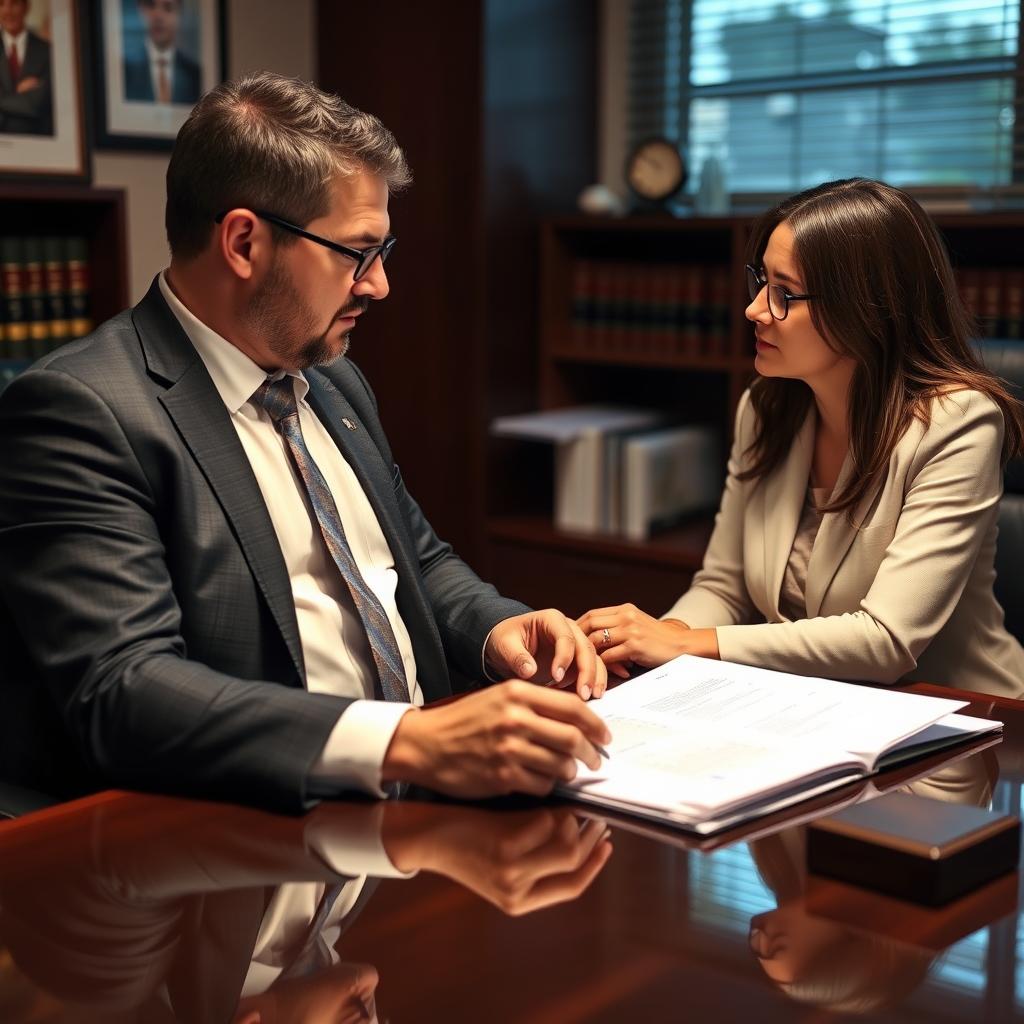
Felony Conviction Divorce Lawyer Virginia Beach, VA
When a spouse is convicted of a felony and sentenced to confinement for more than one year, Virginia law provides a fault‑based ground for divorce. This situation affects more than just the end of the marriage—it directly impacts property division, spousal support, and child custody arrangements. For residents of Virginia Beach, Sandbridge, Oceana, and the surrounding Hampton Roads community, understanding how this ground works in the Virginia Beach Circuit Court is essential. Law Offices Of SRIS, P.C., founded in 1997, represents individuals in divorce matters across Virginia, including cases involving a spouse’s felony conviction. Mr. Sris, a former prosecutor, and his Of Counsel team bring extensive combined legal experience to every matter. The firm’s Richmond location serves the Virginia Beach area, and our attorneys appear regularly in the Virginia Beach Circuit Court at 2425 Nimmo Parkway, Building 10B. To request a consultation, contact our firm at (888) 437-7747. Law Offices Of SRIS, P.C. – Advocacy Without Borders.
What Felony Conviction Divorce Means in Virginia Beach, VA
Virginia is an equitable distribution state, not a community property state. The Virginia Beach Circuit Court has exclusive original jurisdiction over divorce actions. When a spouse is convicted of a felony and receives a sentence of confinement for more than one year, the other spouse may file a fault‑based divorce under Va. Code § 20-91. This ground allows the court to dissolve the marriage without waiting for the parties to live separate and apart for a year or six months, as required under no‑fault grounds. Because the conviction itself establishes fault, it can also influence the court’s decisions on spousal support and property division.
The local procedural context matters. In Virginia Beach, the Circuit Court handles the divorce decree and all related issues—equitable distribution, spousal support, and, when included in the divorce case, custody and child support. Standalone custody and support matters are heard in the Virginia Beach Juvenile and Domestic Relations District Court. The Virginia Beach Circuit Court is located at 2425 Nimmo Parkway, Building 10B, and serves residents of Virginia Beach, Sandbridge, Oceana, and the broader Fourth Judicial District. Because divorce cases are fact‑intensive, the timeline from filing to final order depends on the complexity of the marital estate, whether custody is disputed, and the court’s calendar. Experienced counsel can help navigate the local procedural requirements, including the need for at least one corroborating witness at an uncontested divorce hearing.
Under Va. Code § 20-91, a sentence of confinement for more than one year after conviction of a felony constitutes a fault ground for divorce in Virginia.
Source: Va. Code § 20-91. Virginia Code Title 20, Chapter 6
Reviewed by Mr. Sris, admitted in VA/MD/DC/NJ/NY.
The circuit courts of the Commonwealth have exclusive original jurisdiction over all suits for divorce.
Source: Va. Code § 20-96. Virginia Code Title 20, Chapter 6
Reviewed by Mr. Sris, admitted in VA/MD/DC/NJ/NY.
How Mr. Sris and His Of Counsel Handle Felony Conviction Divorce Cases
When a client contacts Law Offices Of SRIS, P.C., we begin with a detailed review of the marriage, the felony conviction, and the sentence imposed. Understanding the exact nature of the conviction—whether it occurred in a Virginia state court, a federal court, or another jurisdiction—is critical because it affects the ground for divorce and the discovery of related financial and custodial issues. Our team evaluates how the incarceration and the conviction may influence the equitable distribution of marital assets, including retirement accounts, real estate, and business interests. We also consider the practical impact of a spouse’s incarceration on any parenting plan or custody arrangement, as the court’s primary focus remains the best interests of the child.
Once the factual foundation is established, we guide clients through the procedural steps. In Virginia Beach, the divorce complaint is filed in the Circuit Court. If temporary orders for support or custody are needed while the case is pending, a motion for pendente lite relief may be filed. Discovery, including interrogatories and requests for production of documents, helps identify all marital and separate property. When both parties can agree on the terms, a property settlement agreement is drafted and submitted to the court, often resulting in a faster resolution. If the case is contested, we advocate at trial, drawing on Mr. Sris’s former prosecutor experience to cross‑examine witnesses and present evidence effectively. Throughout the process, Mr. Sris and his Of Counsel bring extensive combined legal experience. Results may vary.
About Mr. Sris and His Of Counsel Team
Mr. Sris is the Owner and Founder of Law Offices Of SRIS, P.C. A former prosecutor, he has practiced since 1997 and is admitted in Virginia, Maryland, the District of Columbia, New Jersey, and New York. Mr. Sris testified before the Virginia House Courts of Justice Committee in support of 2019 HB 635 (chief patron Del. David Bulova), a measure that revised the equitable distribution statute, Va. Code § 20-107.3. His background provides valuable insight into cases where a spouse’s felony conviction intersects with divorce litigation—from understanding the underlying criminal record to anticipating how the court may weigh fault in financial and custody determinations.
Mr. Sris is joined by a dedicated Of Counsel team—experienced attorneys who, like Mr. Sris, concentrate their practices on family law and related matters. Every non‑Sris attorney is an Of Counsel engaged through Excella. Together, Mr. Sris and his Of Counsel bring extensive combined legal experience to Virginia Beach family law cases. Whether a case involves complex property division, a business valuation, or a custody dispute arising from a spouse’s incarceration, the team works toward a favorable resolution while keeping clients informed. Results may vary. every case is unique.
Frequently Asked Questions
What is a fault‑ground divorce based on felony conviction in Virginia?
Under Va. Code § 20-91, a spouse may file for divorce when the other spouse has been convicted of a felony and sentenced to confinement for more than one year. This fault ground does not require a separation period; the divorce can proceed as soon as the conviction and sentence are final. The filing spouse must still meet Virginia’s six‑month residency requirement and prove the grounds. The Virginia Beach Circuit Court has exclusive jurisdiction over the divorce. Because fault can affect spousal support and the division of marital property, it is important to discuss the implications with an experienced family law attorney.
How does a felony conviction affect property division in a Virginia divorce?
Virginia courts consider the circumstances and factors that contributed to the dissolution of the marriage, including a spouse’s felony conviction, when dividing marital property under equitable distribution. Under Va. Code § 20-107.3, the judge weighs eleven statutory factors. A felony conviction and resulting incarceration can be relevant to the “circumstances and factors which contributed to the dissolution of the marriage” factor. However, separate property—assets owned before the marriage or received by gift or inheritance—remains with the original spouse. Because each case is fact‑specific, a detailed financial analysis is essential. Courts may also consider the economic impact of incarceration, such as loss of income or dissipation of assets.
Can a felony conviction impact child custody in Virginia Beach?
Yes, a parent’s felony conviction and incarceration can significantly affect custody and visitation decisions because the court must determine what arrangement serves the best interests of the child. Virginia’s best‑interests factors under Va. Code § 20-124.3 include the physical and mental condition of each parent and any history of abuse or criminal activity. A felony conviction is not an automatic bar to custody, but the length of incarceration, the nature of the offense, and the degree to which the parent can maintain a relationship with the child all play a role. The Virginia Beach Juvenile and Domestic Relations District Court handles standalone custody matters, while custody within a divorce is decided by the Circuit Court.
Do I need to wait for the sentence to end before filing for divorce?
No, you do not need to wait until the incarcerated spouse completes the sentence to file for divorce. The fault ground based on felony conviction becomes available as soon as the conviction and sentence meet the statutory requirement—confinement for more than one year. Some spouses choose to file while the convicted spouse is still incarcerated, which can affect service of process and procedural timelines. Serving a complaint on an incarcerated spouse follows standard Virginia civil procedure; alternatives such as service by publication may be available if the spouse cannot be located. An attorney can advise on the trusted timing for your situation.
What court handles felony conviction divorce cases in Virginia Beach?
All divorce cases in Virginia Beach, including those based on felony conviction, are filed and heard in the Virginia Beach Circuit Court. This court has exclusive original jurisdiction over divorce actions under Va. Code § 20-96. The Circuit Court address is 2425 Nimmo Parkway, Building 10B, Virginia Beach, VA 23456. While the Juvenile and Domestic Relations District Court handles standalone custody, support, and protective order matters, the actual divorce decree and any accompanying equitable distribution and spousal support orders are issued by the Circuit Court. Our firm’s attorneys appear regularly in both courts and are familiar with the local rules and judges’ expectations.
How can an attorney help in a felony conviction divorce?
An experienced family law attorney can navigate the procedural requirements, protect your financial interests, and advocate for a fair custody arrangement when a spouse’s felony conviction is the ground for divorce. From drafting the complaint and managing discovery to negotiating a separation agreement or trying the case, counsel handles the legal complexities so the client can focus on moving forward. Because the conviction may involve financial crimes, violent offenses, or long‑term incarceration, the legal strategy must be tailored to the particular facts. Mr. Sris and his Of Counsel team work to achieve favorable outcomes; for case‑specific guidance, contact Law Offices Of SRIS, P.C. at (888) 437-7747.
For more information about family law representation in other Virginia communities, visit our sister pages:
Fairfax County family law attorney |
Prince William County family law lawyer |
Manassas family law legal representation
For further reading on Virginia divorce law, consult these official sources:
Virginia Code § 20-91 – Grounds for divorce |
Virginia Beach Circuit Court
Attorney advertising. Prior results do not guarantee a similar outcome. Results may vary.
Case results depend on a variety of factors unique to each case.