
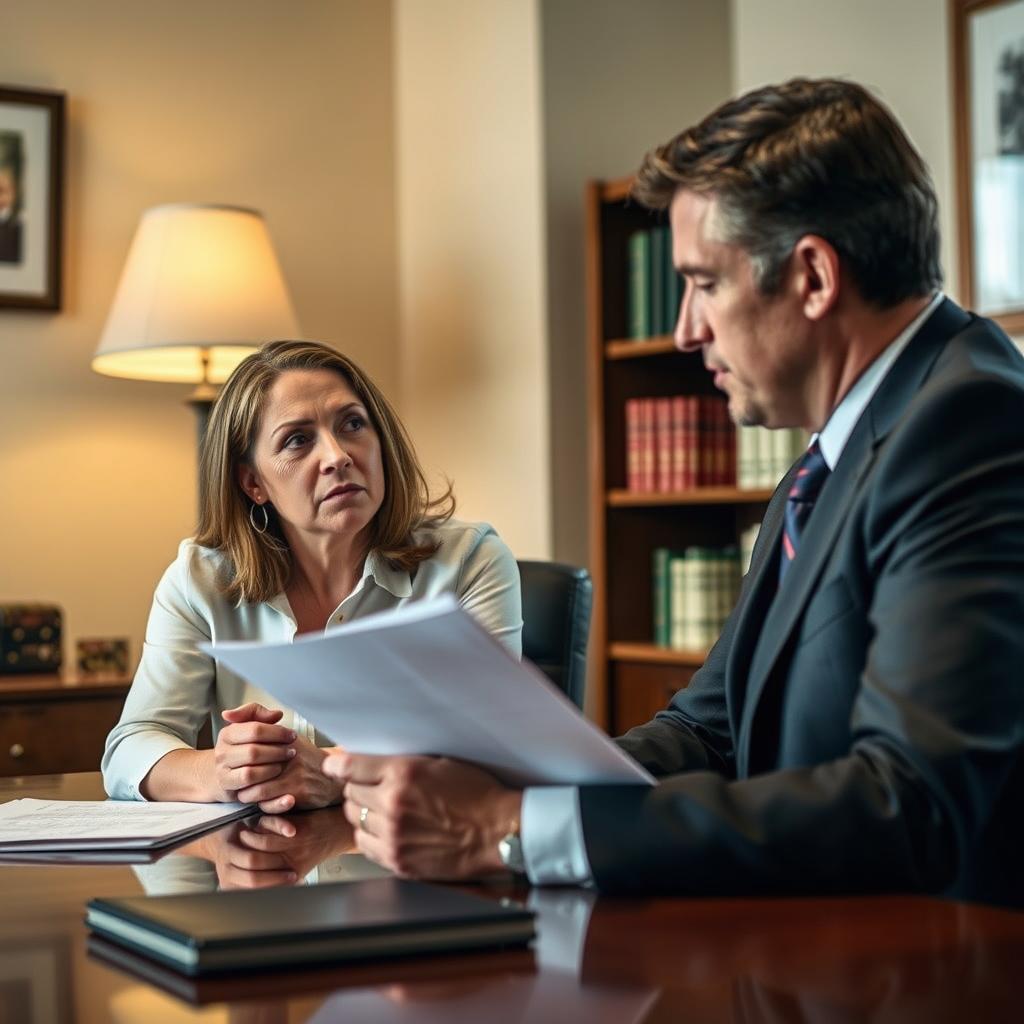
Fault Based Divorce Lawyer York County, VA
You married with the expectation of a partnership, but now you are facing the reality that your spouse’s actions—adultery, cruelty, or desertion—have shattered that bond. You may be wondering whether proving fault matters, how it affects property division or support, and what steps to take next. In York County, Virginia, a fault-based divorce can change the financial and custodial landscape of your case, and having an experienced attorney in your corner is critical. Mr. Sris and his Of Counsel team at Law Offices Of SRIS, P.C. represent clients in fault-based divorce proceedings before the York County Circuit Court, and we are available to discuss your situation at (888) 437-7747. Law Offices Of SRIS, P.C. – Advocacy Without Borders.
Strategy Options in a York County Fault‑Based Divorce
Virginia law allows a spouse to file for divorce on fault grounds as an alternative to the no‑fault separation track. The fault grounds listed in Va. Code § 20‑91 include adultery, cruelty, willful desertion or abandonment for one year, and conviction of a felony with a prison sentence of more than one year. Asserting a fault ground can provide tactical advantages—for example, an adultery ground may eliminate the mandatory separation period that no‑fault requires. However, allegations of fault must be pled with particularity and supported by evidence. Mr. Sris and his Of Counsel help clients evaluate whether fault grounds are provable, assess the evidentiary burden, and craft a litigation strategy that aligns with the client’s goals—whether that means actively pursuing a fault finding or negotiating a resolution that leads to an uncontested decree.
In York County, the Circuit Court at 300 Ballard Street in Yorktown hears all divorce and equitable distribution matters. Our firm has extensive experience in this courthouse, including handling contested hearings where fault allegations are central to the division of marital assets and the determination of spousal support. Because Virginia is an equitable distribution state, a finding of fault can influence the court’s decision on how marital property is divided under Va. Code § 20‑107.3. We work to present a clear and persuasive case tailored to the specific facts of your marriage.
What to Expect When Pursuing a Fault‑Based Divorce
After your complaint for divorce is filed in York County Circuit Court, the case moves through several stages. If your spouse contests the fault allegations, the court may schedule depositions, interrogatories, and document discovery to gather evidence. A pendente lite hearing can address temporary support, custody, and use of the marital residence while the divorce is pending. Mr. Sris and his Of Counsel prepare clients for each step, explaining what to expect at every hearing and how the court applies the statutory factors found in Title 20 of the Virginia Code.
Contested fault-based divorces are typically resolved after a trial where both sides present evidence, including testimony from witnesses and any relevant records. Virginia allows corroboration of a spouse’s testimony in uncontested matters, but when fault is in dispute, the court may weigh the credibility of the parties heavily. Our team works to develop a cohesive narrative that supports your position, whether you are seeking relief from a marriage tainted by adultery or cruelty, or if you are responding to allegations that you believe are unfounded. Throughout the process, we remain focused on protecting your interests and working toward a resolution that brings clarity to your family’s next chapter.
Penalty Overview – Consequences of a Fault Finding
Establishing a fault ground in a York County divorce can have significant practical consequences beyond the dissolution of the marriage itself. Under Virginia equitable distribution principles, a court may award a larger share of marital assets to the innocent spouse or reduce the guilty spouse’s portion based on the circumstances that led to the divorce. Similarly, an adultery finding can bar a spouse from receiving spousal support altogether under Va. Code § 20‑107.1. The court takes the conduct of the parties into account when determining the nature, amount, and duration of any support award.
Fault grounds can also indirectly affect child custody and visitation. While a finding of adultery alone does not decide custody, evidence of misconduct that impacts a parent’s fitness or the child’s well‑being may influence the court’s best‑interests analysis under Va. Code § 20‑124.3. The practical effect is that proving fault can reshape the financial and custodial framework of the divorce. Our attorneys help clients assess whether the potential rewards of proving fault justify the emotional and financial cost of litigation, and we present the evidence in a way that guards the client’s long‑term welfare.
Attorney Credentials – Mr. Sris and His Of Counsel Team
Mr. Sris, Owner and Founder of Law Offices Of SRIS, P.C., is a former prosecutor who has practiced family law since 1997. He has appeared in courts across Virginia, including the York County Circuit Court, and brings a depth of trial experience to fault‑based divorce cases. His Of Counsel colleagues, each with extensive legal backgrounds, collaborate closely on complex family law matters. Mr. Sris and his Of Counsel bring extensive combined legal experience. Results may vary.
Mr. Sris testified before the Virginia House Courts of Justice Committee in support of 2019 HB 635 (chief patron Del. David Bulova), a bill that revised the equitable distribution statute. That legislative insight, combined with decades of courtroom work, informs the firm’s approach to property division in divorce. The firm serves clients throughout the York County area from its Richmond location. Every case is handled with a focus on thorough preparation and clear communication. Reach Law Offices Of SRIS, P.C. at (888) 437-7747 to request a consultation.
Frequently Asked Questions
What is the difference between a fault‑based and a no‑fault divorce in Virginia?
A fault‑based divorce requires proof that the other spouse committed a statutorily defined marital offense such as adultery, cruelty, or desertion. A no‑fault divorce simply relies on the parties having lived separate and apart for the required period—one year, or six months with a signed separation agreement and no minor children. Fault grounds can eliminate that waiting period entirely for adultery and can significantly impact property division and support awards.
How does adultery affect my divorce in York County?
Proving adultery allows you to file for divorce immediately without any separation requirement and can bar your spouse from receiving spousal support. The court may also adjust the division of marital property if the adultery had a direct economic impact on the marriage. The evidence must be clear and convincing, and the court will weigh credibility carefully. Mr. Sris and his Of Counsel can explain what kind of proof is needed and how an adultery finding might alter your case.
Does cruelty need to be physical to be a ground for divorce?
No, cruelty in Virginia includes acts that cause reasonable apprehension of bodily harm as well as conduct that endangers mental or emotional health. The court looks at whether the spouse’s behavior made cohabitation unsafe or intolerable. Evidence may include threatening communications, patterns of verbal abuse, or actions that created a hostile home environment. Our attorneys help you collect and present the necessary evidence to meet the legal standard.
If my spouse abandoned us, how long do I have to wait before filing?
You can file for divorce on the ground of desertion once the desertion has continued for one full year. During that year, you may need to document the absence and the lack of contact or support. A fault‑based filing on desertion also allows the court to address custody, support, and equitable distribution as part of the same proceeding in York County Circuit Court. If you are unsure whether the circumstances qualify as desertion, speak with an experienced attorney promptly.
Can my spouse counter‑file their own fault allegations against me?
Yes, if both parties allege fault, the court will evaluate each claim and may determine that both spouses bear some responsibility for the marriage’s breakdown. This can complicate the case and affect how the judge views evidence and credibility. Our firm helps clients respond to cross‑allegations by developing a strategic defense that protects the client’s position on property division and support.
What happens if I start with fault grounds but later decide to settle?
You can negotiate a separation agreement and then proceed on the no‑fault ground after meeting the required separation period, dismissing the fault allegations. Many cases resolve through negotiation even after fault is initially asserted. Mr. Sris and his Of Counsel advise clients afloat pursue a pathway that balances the advantages of fault claims with the benefits of a controlled settlement.
How long does a contested fault‑based divorce take in York County?
The timeline for a contested divorce in York County depends on the court’s docket, the complexity of the fault allegations, and the amount of discovery needed. Cases that go to trial often take longer than those that settle, and the court’s schedule at 300 Ballard Street will dictate hearing dates. Our firm works to move the case forward efficiently while making sure the evidence is fully developed.
Will my divorce records become public in York County?
Divorce filings in Virginia are generally public records, but certain sensitive information can be filed under seal with a court order. The pleadings, motions, and orders become part of the public docket unless the court agrees to restrict access. We help clients evaluate what steps may be available to protect privacy while still presenting an effective case.
Do I need to hire a lawyer even if my spouse doesn’t contest the divorce?
Legal guidance is valuable even in uncontested cases, particularly when fault grounds are alleged or significant assets are at stake, to ensure the final decree is thorough and enforceable. An attorney can review the separation agreement, confirm that the waiver of rights is knowing and voluntary, and guide the process through the York County Circuit Court. For a consultation about your particular situation, call (888) 437-7747.
Speak with a Fault‑Based Divorce Lawyer Serving York County
Mr. Sris and his Of Counsel team are available to discuss your case and help you understand whether pursuing fault grounds is the right move for your divorce. Schedule a consultation at (888) 437-7747. The firm appears before the York County Circuit Court and handles family law matters throughout the region.
Law Offices Of SRIS, P.C. — Richmond Location
7400 Beaufont Springs Drive, Suite 300, Room 395
Richmond, VA 23225
By appointment. Call (888) 437-7747 to schedule.
Serving divorce clients in York County, including Yorktown, Grafton, Tabb, and Seaford.
Family Law in Nearby Communities
- Family Law Attorney James City County, VA
- Family Law Lawyer Williamsburg, VA
- Family Law Representation Fairfax County
Virginia Legal Resources
Attorney advertising. Prior results do not guarantee a similar outcome. Results may vary.
Case results depend on a variety of factors unique to each case.