
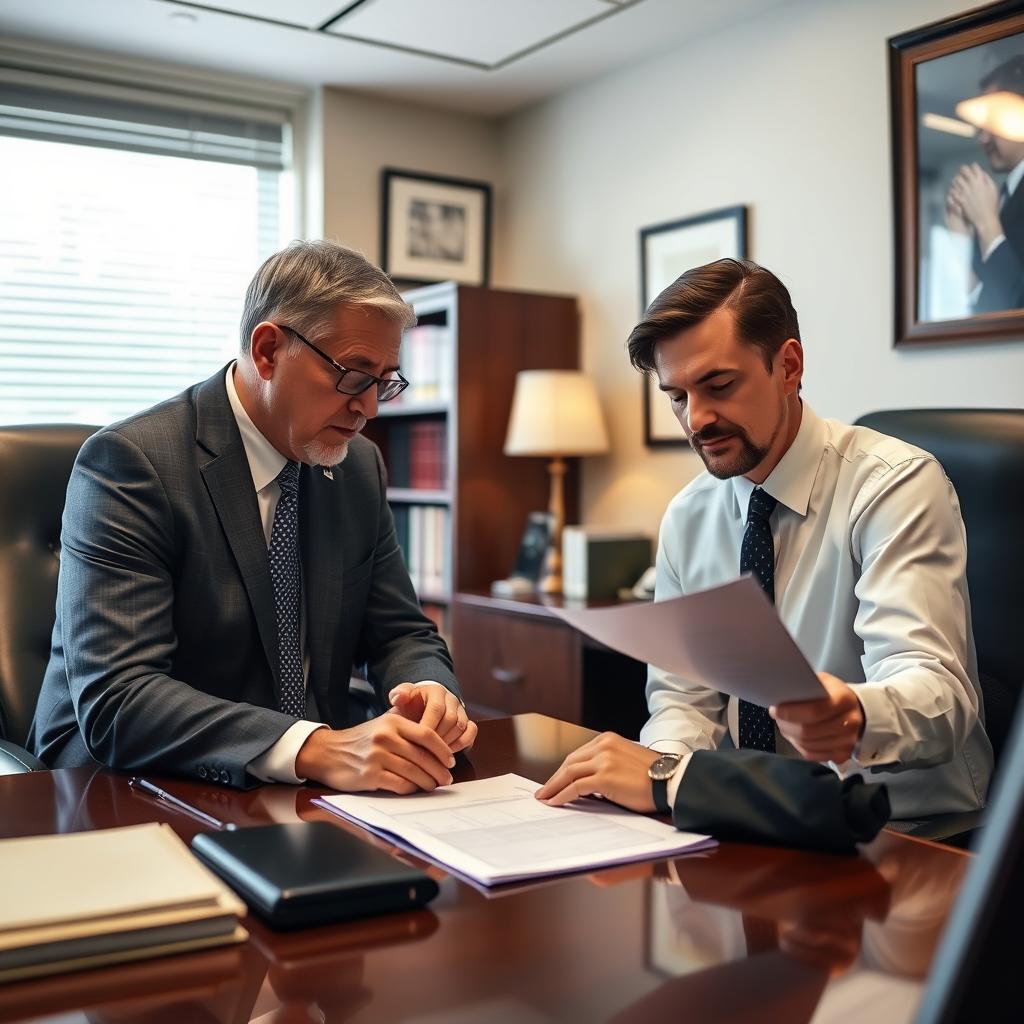
Aiding and Abetting lawyer York County, VA
Federal aiding and abetting charges under 18 U.S.C. § 2 make a person who assists in the commission of a federal crime equally liable as the principal. If you are facing an aiding and abetting investigation or indictment in York County, Virginia, the matter will proceed in the U.S. District Court for the Eastern District of Virginia—most likely the Newport News Division, which covers York County and the surrounding communities of Yorktown, Grafton, Tabb, and Seaford. The U.S. Attorney’s Office prosecutes these cases under the Federal Sentencing Guidelines, and a conviction carries the same sentencing exposure as the underlying offense, with no possibility of parole in the federal system. Mr. Sris, Owner and Founder of Law Offices Of SRIS, P.C., concentrates his defense practice on federal criminal defense in Virginia, including representation at all stages of an aiding and abetting matter. His firm works to protect your rights from the earliest investigation through trial or resolution. To speak with an experienced federal criminal lawyer about your situation, reach Law Offices Of SRIS, P.C. at (888) 437-7747. Law Offices Of SRIS, P.C. – Advocacy Without Borders.
What Federal Criminal Means in York County
Federal criminal cases in York County are tried in the U.S. District Court for the Eastern District of Virginia, Newport News Division, located at 2400 West Avenue, Newport News, VA 23607. This court handles all federal felony and serious misdemeanor charges arising within York County, including aiding and abetting prosecutions. Federal jurisdiction means that the charges are brought by a United States Attorney, the case is investigated by federal agencies such as the FBI, DEA, IRS‑CI, or ATF, and sentencing follows the federal guidelines rather than state law.
Because aiding and abetting is not a separate statute with its own penalty; rather, 18 U.S.C. § 2 makes the aider punishable as a principal. This means the government must prove the underlying offense and that the defendant associated with the criminal venture, participated in it as something he or she wished to bring about, and sought by his or her actions to make it succeed. The prosecution’s burden is the same as for the principal, and a conviction carries the same maximum sentence—potentially years or decades of imprisonment, depending on the underlying offense. Our firm’s defense work in this area concentrates on challenging the government’s evidence of intent and the nature of any assistance provided, often during pretrial motions and sentencing advocacy.
How Mr. Sris and His Of Counsel Handle Federal Aiding and Abetting Cases
Federal criminal defense begins before an indictment. If a person learns they are under investigation, early intervention can influence how the case develops. Mr. Sris and his Of Counsel team become involved at the investigative stage to assert Fifth and Sixth Amendment protections, manage communications with federal agents, and begin building a defense narrative that may dissuade the government from seeking an indictment or may narrow the charges. Once formal charges are filed, the focus shifts to the pretrial and trial phases: detention hearings under the Bail Reform Act, discovery review, motion practice challenging the sufficiency of the indictment or the government’s evidence, and, where appropriate, negotiations with the Assistant U.S. Attorney handling the case.
At trial, the defense often contests the elements of knowledge and specific intent. Because aiding and abetting requires proof of association with the criminal venture and the intent to facilitate its success, a defense may show that the accused lacked the required mental state or that the actions did not further the offense. Sentencing advocacy in federal court is equally critical; even with mandatory minimums or guideline calculations, Mr. Sris and his Of Counsel present mitigating factors, challenge relevant conduct enhancements, and argue for a sentence that reflects the defendant’s actual role. Throughout the process, the team ensures the client understands the timeline—which varies by case complexity and court scheduling—and makes informed decisions about every step.
About Mr. Sris and His Of Counsel Team
Mr. Sris, Owner and Founder of Law Offices Of SRIS, P.C., is a former prosecutor who founded the firm in 1997. He is admitted in Virginia, Maryland, the District of Columbia, New Jersey, and New York, and his practice concentrates on federal criminal defense, including aiding and abetting, conspiracy, and related complex charges. Mr. Sris testified before the Virginia House Courts of Justice Committee in support of 2019 HB 635 (chief patron Del. David Bulova). He is supported by an Of Counsel team whose collective experience strengthens the defense strategy in every case. Mr. Sris and his Of Counsel bring extensive combined legal experience to federal criminal matters. Results may vary. in your case.
Frequently Asked Questions
What is federal aiding and abetting in Virginia?
Federal aiding and abetting under 18 U.S.C. § 2 makes a person who assists in the commission of a federal crime equally liable as the principal. There is no separate penalty statute; the aider is punishable as if he or she committed the underlying offense. The government must prove that the underlying crime occurred, that the defendant associated with the criminal venture, participated in it with the intent that the crime succeed, and sought by his or her actions to make it succeed. A conviction carries the same sentencing range as the principal offense, including imprisonment under the Federal Sentencing Guidelines with no early release on parole.
What are the penalties for aiding and abetting a federal crime in Virginia?
Aiding and abetting does not have a separate penalty—the defendant faces the same maximum punishment as the principal offender. This could range from a relatively short term of supervised release to decades in prison, depending on the underlying statute. Federal sentences no longer include parole; a person serves a majority of the sentence with limited good‑time credit. Additionally, the court may impose fines, special assessments, forfeiture of property, and a term of supervised release. Because the sentencing guidelines take into account the defendant’s role, an aider may receive a lesser sentence if the court finds a mitigating role, but the exposure remains that of the offense itself.
How does a federal aiding and abetting case proceed in the Eastern District of Virginia?
Federal cases begin with an investigation by a federal agency, followed by a grand jury indictment, an initial appearance and detention hearing, arraignment, discovery, motion practice, and trial or resolution. In York County, the matter is typically heard in the Newport News Division of the U.S. District Court for the Eastern District of Virginia. After the indictment, the defendant appears before a magistrate judge for a detention hearing and arraignment. The court sets a motion schedule, and both sides exchange discovery under the Federal Rules of Criminal Procedure. Many cases resolve through plea negotiations; others proceed to trial. Sentencing is scheduled after any conviction, with the court relying on the U.S. Sentencing Guidelines and a presentence report.
Do I need a federal criminal defense lawyer for an aiding and abetting charge in York County?
Yes, anyone facing a federal aiding and abetting charge should immediately seek representation from a lawyer experienced in federal court. Federal criminal procedure differs substantially from Virginia state court practice. The U.S. Attorney’s Office handles the prosecution, the Federal Rules of Evidence govern trial, and the Sentencing Guidelines apply. An attorney who concentrates in federal defense can assess the government’s evidence, identify pretrial motions that may narrow or dismiss the charges, negotiate with federal prosecutors, and present a compelling sentencing memorandum. Without experienced counsel, a defendant risks making uninformed decisions that affect the outcome of the case.
What should I do if I am being investigated for federal aiding and abetting?
If you learn or suspect you are under federal investigation for aiding and abetting, contact a federal criminal defense lawyer immediately and do not speak with investigators without counsel. Federal agents often attempt to interview suspects before charges are filed. Any statement made to an agent can become evidence in a later indictment. An attorney can contact the investigating agency on your behalf, preserve evidence, and begin building a defense strategy that may prevent an indictment or minimize the eventual charges. Do not discuss the matter with friends, co‑workers, or on social media, as those communications may be discovered and used against you.
James City County Federal Criminal Lawyer — James City County Federal Criminal Defense | Williamsburg Federal Criminal Lawyer — Williamsburg Federal Criminal Defense | Fairfax County Federal Criminal Lawyer — Fairfax County Federal Criminal Defense
Primary sources: U.S. District Court for the Eastern District of Virginia, Virginia Courts, U.S. Code Title 18 (Crimes and Criminal Procedure).
Attorney advertising. Prior results do not guarantee a similar outcome. Results may vary.
Case results depend on a variety of factors unique to each case.