
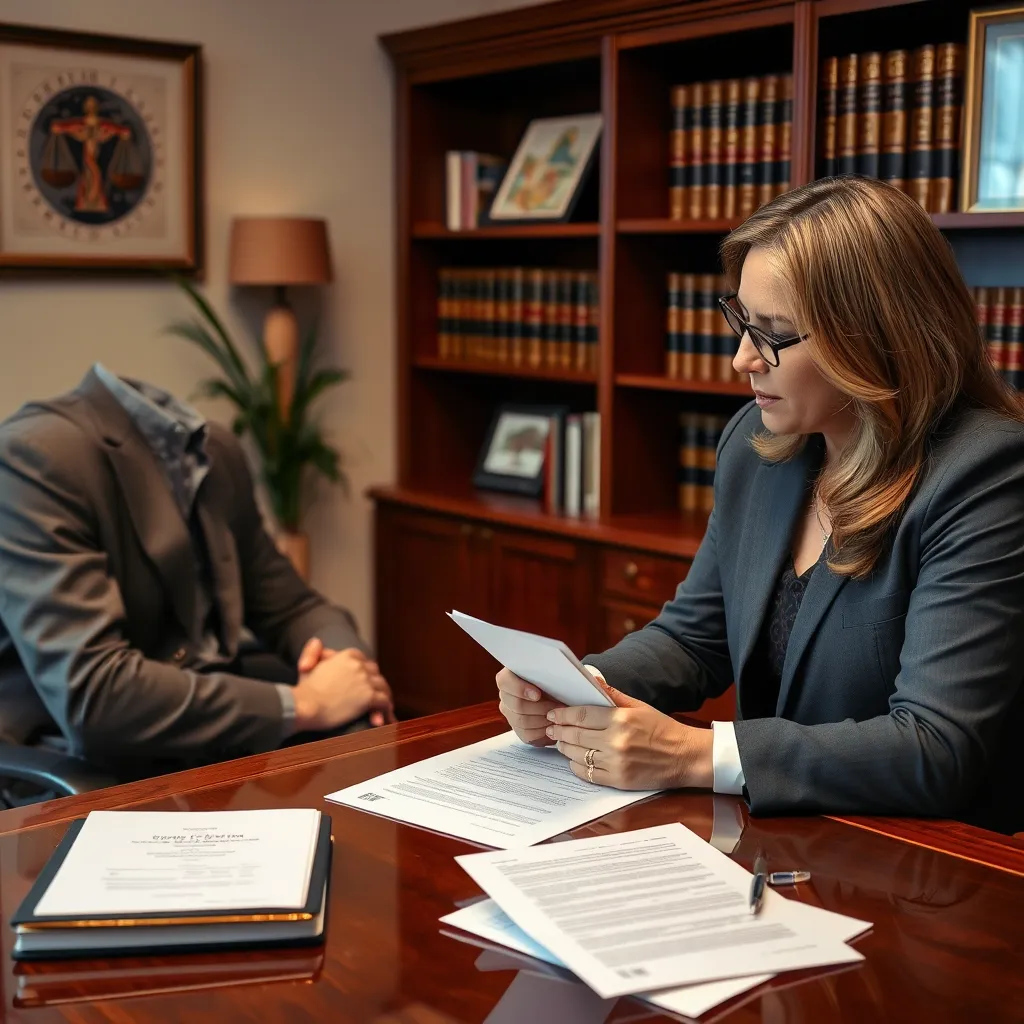
Note: This article is confirmed by Law Offices Of SRIS, P.C.
WRITTEN BY: Mr. Sris
Since 1997, Mr. Sris has led the firm, focusing on the most challenging criminal and family law cases. His background in accounting and information management aids in financial and technology-related cases. Involved in significant legislative changes in Virginia. Mr. Sris believes in actively participating in shaping law, dedicating effort toward amending Virginia Code § 20-107.3 and achieving state recognition for cultural milestones.
Postnup Lawyer Reston VA
What is a Postnuptial Agreement
Postnuptial agreements serve as important legal tools for married couples. These documents establish clear terms for financial matters and property division. They differ from prenuptial agreements, which are created before marriage. Postnuptial agreements address current marital circumstances and future planning.
The process begins with understanding each spouse’s financial situation. Complete transparency about assets, debts, and income is required. This disclosure forms the foundation of a valid agreement. Both parties must provide accurate financial information.
Legal requirements for postnuptial agreements include voluntary participation. Neither spouse can be pressured into signing. The agreement must be fair and reasonable. Each party should have their own legal representation.
These agreements can address various financial matters. They may cover property division, debt responsibility, and spousal support. Some agreements include provisions for inheritance rights. Others address business interests and retirement accounts.
Real-Talk Aside: These agreements require complete honesty about finances. Hidden assets or debts can invalidate the entire document.
How to Create a Valid Postnuptial Agreement
The process for creating a valid postnuptial agreement follows specific legal steps. Begin with comprehensive financial disclosure. Both spouses must provide complete information about assets, debts, and income. This includes bank accounts, investments, real estate, and business interests.
Independent legal representation is essential for both parties. Each spouse should consult with their own attorney. Legal counsel explains rights and obligations. They ensure the agreement meets legal standards.
The agreement must be fair and reasonable. Courts examine whether terms are equitable. Provisions cannot be unconscionable or one-sided. The agreement should reflect current circumstances and future needs.
Voluntary participation is required throughout the process. Neither spouse can be coerced or pressured. Both parties must have adequate time to review the document. They should understand all terms before signing.
Document preparation follows specific formatting requirements. The agreement must be in writing. It should clearly identify both parties. Terms must be specific and unambiguous.
Real-Talk Aside: Rushing through this process often leads to problems. Take time to understand every provision before signing.
Can I Modify an Existing Postnuptial Agreement
Modifying an existing postnuptial agreement is possible under certain conditions. Both spouses must agree to the changes. The modification process requires mutual consent and voluntary participation. Neither party can be forced to accept amendments.
The legal requirements for modifications mirror those for original agreements. Complete financial disclosure is necessary. Both parties need independent legal representation. The modified terms must be fair and reasonable.
Common reasons for modifications include significant life changes. These may involve career transitions, inheritance, or business developments. Changes in family circumstances often prompt agreement updates. Financial fluctuations may necessitate revised terms.
The modification process begins with discussion between spouses. Both parties should express their concerns and objectives. Legal counsel helps draft appropriate amendments. The modified agreement must be properly executed.
Courts examine modified agreements for fairness. The same legal standards apply to amendments. Modified terms cannot be unconscionable or oppressive. Both parties must understand the changes.
Real-Talk Aside: Regular review of your agreement makes sense. Life changes often require document updates.
Why Hire Legal Help for Postnuptial Matters
Professional legal assistance provides important benefits for postnuptial matters. Attorneys understand the specific requirements for valid agreements. They ensure compliance with state laws and legal standards. Legal guidance helps avoid common pitfalls and errors.
Legal professionals assist with financial disclosure requirements. They help gather necessary documentation and information. Attorneys ensure complete and accurate financial transparency. This foundation supports agreement validity and enforceability.
Drafting clear, specific terms requires legal experienced lawyer. Attorneys help create provisions that address unique circumstances. They ensure language is unambiguous and legally sound. Proper drafting prevents future disputes and misunderstandings.
Legal representation protects both parties’ interests. Attorneys explain rights and obligations clearly. They help negotiate fair and reasonable terms. Professional guidance ensures balanced agreements that serve both spouses.
Real-Talk Aside: Trying to handle these agreements without legal help often leads to problems. Professional guidance provides necessary protection.
FAQ:
What is a postnuptial agreement?
A legal contract created during marriage. It outlines how assets and debts would be divided.
How does it differ from a prenuptial agreement?
Prenuptial agreements are made before marriage. Postnuptial agreements are created after marriage begins.
What financial information must be disclosed?
Complete details about assets, debts, income, and property. Full transparency is required.
Do both spouses need separate attorneys?
Yes, independent legal representation is essential. Each party should have their own counsel.
Can postnuptial agreements be challenged in court?
Yes, if requirements aren’t met. Courts examine fairness and proper procedures.
What makes an agreement invalid?
Incomplete disclosure, coercion, or unfair terms. Lack of independent counsel can also invalidate.
Can agreements address child custody?
No, child-related matters are decided separately. Courts determine custody based on child’s best interests.
How often should agreements be reviewed?
Regular reviews are recommended. Significant life changes may require updates.
What happens if circumstances change?
Agreements can be modified with mutual consent. Both spouses must agree to changes.
Are these agreements enforceable in Virginia?
Yes, when properly executed. They must meet Virginia’s legal requirements.
What costs are involved?
Legal fees vary based on challenge. Both parties typically pay their own attorney costs.
How long does the process take?
Timing depends on challenge and cooperation. Proper preparation requires adequate time.
Past results do not predict future outcomes