
Note: This article is confirmed by Law Offices Of SRIS, P.C.
WRITTEN BY: Mr. Sris
Since 1997, Mr. Sris has led the firm, focusing on the most challenging criminal and family law cases. His background in accounting and information management aids in financial and technology-related cases. Involved in significant legislative changes in Virginia. Mr. Sris believes in actively participating in shaping law, dedicating effort toward amending Virginia Code § 20-107.3 and achieving state recognition for cultural milestones.
Restraining Order Lawyer Virginia
What is a restraining order attorney Virginia
Virginia law provides several types of protective orders for individuals facing threats or harm. Emergency protective orders offer immediate, temporary protection lasting up to 72 hours. Preliminary protective orders extend protection for up to 15 days while awaiting a full hearing. Permanent protective orders provide longer-term protection, typically lasting up to two years with possible extensions.
The process begins with filing a petition at the local courthouse. This document outlines the reasons for seeking protection, including specific incidents and threats. Evidence such as photographs, messages, medical records, or witness statements strengthens the case. Virginia courts require clear documentation of threatening behavior or actual harm.
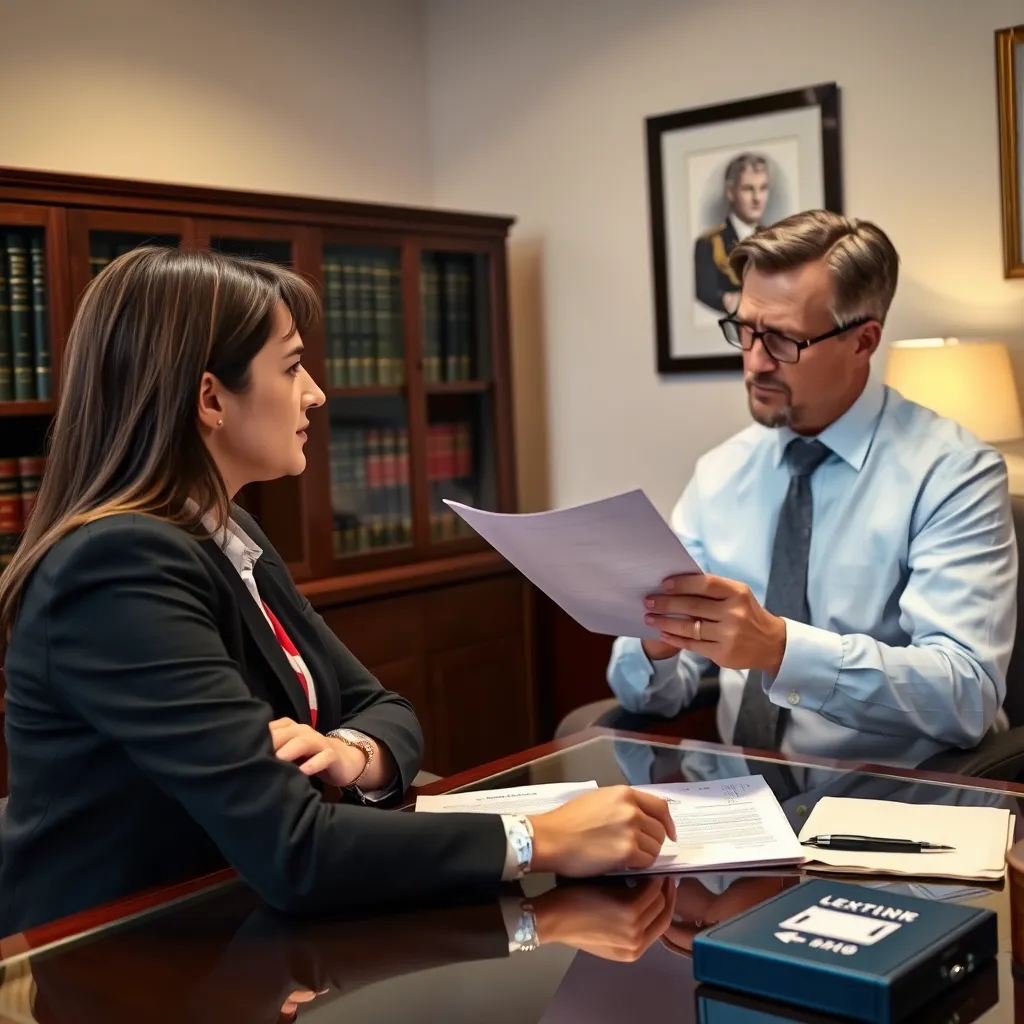
Legal representation helps ensure proper completion of required forms and adherence to court procedures. Attorneys prepare clients for hearings, explaining what to expect and how to present their case effectively. They address potential challenges from the other party and help maintain the protective order’s validity.
Straight Talk: Protective orders require specific evidence and proper legal procedures. Missing details or incorrect filings can delay protection.
How to obtain a restraining order in Virginia
The first step involves visiting the local courthouse to file a petition for a protective order. Court clerks provide the necessary forms, which require detailed information about the threatening behavior. This includes dates, locations, descriptions of incidents, and any evidence available. Emergency situations may allow for after-hours filings through magistrate offices.
After filing, a judge reviews the petition to determine if immediate protection is warranted. For emergency orders, this review happens quickly, often within hours. If granted, the order takes effect immediately and law enforcement serves it to the restrained party. Preliminary orders require a hearing within 15 days where both parties can present their cases.
Evidence preparation is vital for successful petitions. Documentation includes photographs of injuries, threatening messages, police reports, medical records, or witness statements. Virginia courts look for patterns of behavior and credible threats. Proper documentation helps establish the need for ongoing protection.
Court hearings follow specific procedures where both parties may speak. Legal representation helps present evidence effectively and address any counter-arguments. After the hearing, the judge decides whether to issue a longer-term protective order based on the evidence presented.
Reality Check: The court process requires specific evidence and proper documentation. Incomplete petitions or insufficient evidence can result in denied protection.
Can I get a restraining order without an attorney in Virginia
Virginia law permits individuals to file protective order petitions without legal representation. Court clerks provide forms and basic guidance about the process. However, the legal system involves specific requirements that can challenge those without legal training. Forms require precise language and detailed incident descriptions that meet legal standards.
The evidence requirements present another challenge. Courts need clear documentation of threatening behavior or harm. This includes dates, specific incidents, and supporting materials like photographs or messages. Without proper guidance, individuals may submit insufficient or improperly formatted evidence that fails to meet court standards.
Court hearings involve legal procedures and rules of evidence. Judges expect proper presentation of facts and adherence to courtroom protocols. Those representing themselves may struggle with these requirements, potentially weakening their case. The other party may have legal representation, creating an imbalance in the proceedings.
Legal assistance helps ensure all requirements are met properly. Attorneys understand what evidence courts find compelling and how to present it effectively. They handle procedural details, file paperwork correctly, and represent clients during hearings. This support increases the likelihood of obtaining necessary protection.
Blunt Truth: Self-representation is allowed but challenging. Legal procedures and evidence requirements can overwhelm those without legal training.
Why hire legal help for restraining orders in Virginia
Legal representation brings understanding of Virginia’s protective order laws and court procedures. Attorneys know what evidence courts require and how to present it effectively. They help gather documentation, organize evidence, and prepare clear statements that meet legal standards. This professional approach strengthens the case for protection.
The court process involves specific timelines and procedural requirements. Missing deadlines or filing incorrect forms can delay protection or result in denied petitions. Legal professionals manage these details, ensuring all steps are completed properly and on time. They handle communication with court staff and coordinate service of orders.
During hearings, attorneys present the case professionally, addressing legal standards and evidentiary requirements. They respond to challenges from the other party and help maintain focus on relevant facts. This representation can make a significant difference in the outcome, especially when facing opposition.
Beyond obtaining the order, legal help ensures proper enforcement and addresses violations. Attorneys explain what constitutes a violation and how to document incidents. They assist with reporting violations to authorities and pursuing additional legal action when necessary. This ongoing support helps maintain the protection’s effectiveness.
Straight Talk: Legal representation improves handling of court procedures and evidence requirements. Professional help increases the likelihood of obtaining effective protection.
FAQ:
What types of protective orders exist in Virginia?
Virginia offers emergency, preliminary, and permanent protective orders with different durations and requirements.
How long does an emergency protective order last?
Emergency protective orders in Virginia typically last up to 72 hours from issuance.
What evidence helps obtain a protective order?
Photographs, messages, medical records, police reports, and witness statements support protective order petitions.
Can protective orders be extended in Virginia?
Permanent protective orders may be extended upon showing continued need for protection.
What happens if someone violates a protective order?
Violations can result in criminal charges, including arrest and potential jail time.
How quickly can I get an emergency protective order?
Emergency orders can be obtained quickly, often within hours of filing the petition.
Do I need to appear in court for a protective order?
Hearings are required for preliminary and permanent protective orders in Virginia.
Can protective orders address child custody matters?
Protective orders may include provisions regarding child contact and custody arrangements.
What if I move to another Virginia county?
Protective orders remain valid statewide and can be registered in new jurisdictions.
How much does a protective order cost in Virginia?
Filing fees may apply, but waivers are available for those who qualify financially.
Can I modify an existing protective order?
Modifications require returning to court and demonstrating changed circumstances.
What if the restrained person contests the order?
Contested hearings allow both parties to present evidence before a judge decides.
Past results do not predict future outcomes