
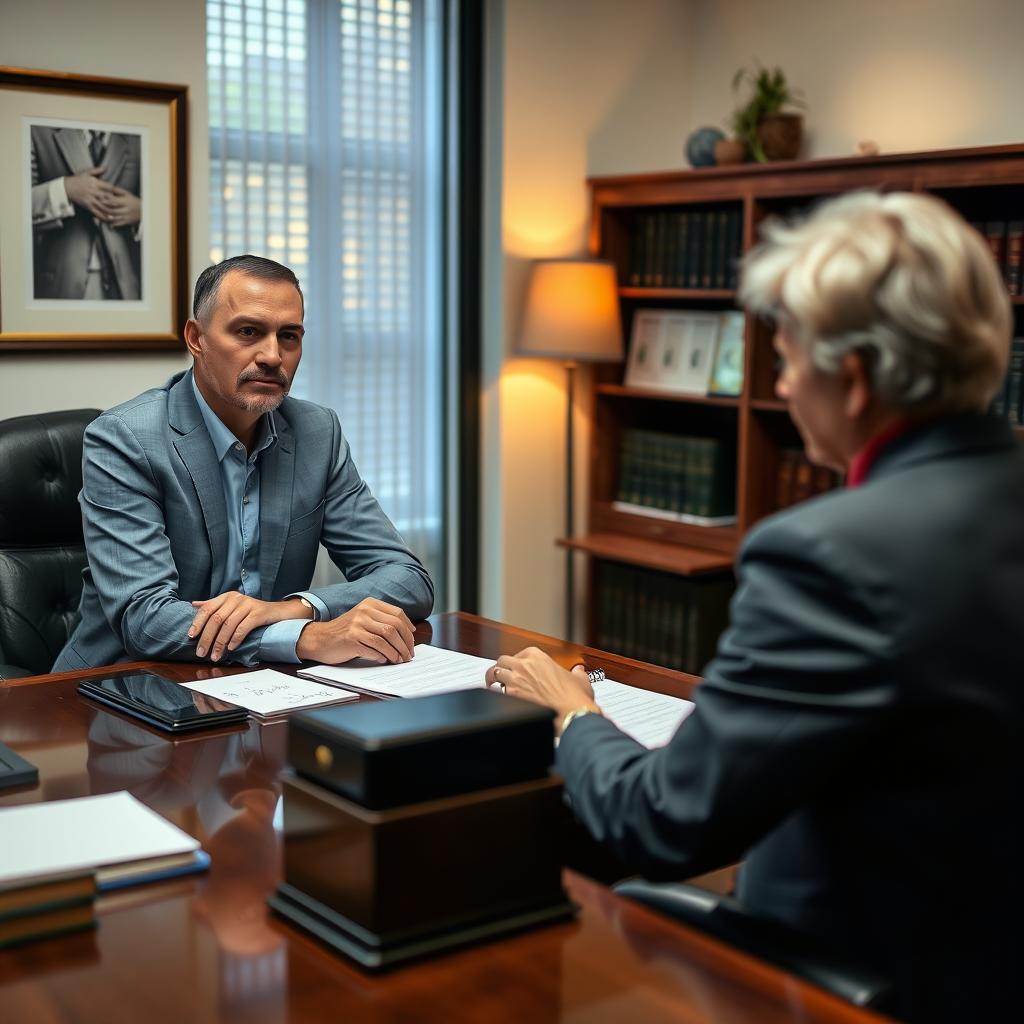
Adultery Divorce Lawyer Isle of Wight County, VA
In Isle of Wight County, a divorce based on adultery can shift the balance of property division, spousal support, and even custody decisions. Virginia law treats adultery as a fault ground under Va. Code § 20‑91(1), and unlike a no‑fault divorce—which requires a six‑month separation (with a signed agreement and no minor children) or one year of living apart—there is no waiting period. The court may proceed directly to the merits of the dissolution. Our firm works with clients in Smithfield, Windsor, Carrollton, and throughout the county who are considering filing on adultery grounds or who are defending against a fault claim. Mr. Sris and his Of Counsel bring extensive combined legal experience to these matters. Results may vary. Reach Law Offices Of SRIS, P.C. at (888) 437-7747 to schedule a consultation. Law Offices Of SRIS, P.C. – Advocacy Without Borders.
What Adultery Divorce Means in Isle of Wight County, Virginia
An adultery divorce in Isle of Wight County is a family law proceeding in which one spouse asks the court to end the marriage because of the other spouse’s extramarital relationship. Because this is a fault ground, the petitioner does not have to satisfy a separation period. The case must be filed in the Isle of Wight County Circuit Court, which has exclusive jurisdiction over divorce and equitable distribution under Va. Code § 20‑96. The Circuit Court, located at 17122 Monument Circle, Suite A, Isle of Wight, VA 23397, handles the entire divorce—property classification, valuation, distribution, and any spousal support decision. If the couple has minor children, standalone custody, visitation, and child‑support matters are heard in the Isle of Wight County Juvenile and Domestic Relations District Court, but those issues may also be resolved within the divorce case by the Circuit Court.
Adultery can affect multiple aspects of the final decree. Virginia is an equitable distribution state, meaning that marital property is divided fairly but not necessarily equally. Under Va. Code § 20‑107.3, the court considers eleven factors, and fault—including adultery—may be weighed when determining a just division. An innocent spouse may receive a larger share of the marital estate, and in some situations the court may consider the misconduct when setting the amount and duration of spousal support. Adultery alone rarely controls custody, but if it negatively impacts the child’s well‑being, it can become a factor in the trusted‑interests analysis. Navigating these interconnected issues requires a thorough understanding of Virginia’s family code and the local court’s practices.
How Mr. Sris and His Of Counsel Handle Adultery Divorce Cases
When a client comes to us with an adultery‑based divorce, we begin by listening to the full story. Mr. Sris and his Of Counsel evaluate the available evidence—text messages, e‑mails, financial records, and witness testimony—to determine whether the standard of clear and convincing proof can be met. If a spouse has been accused of adultery, we examine the allegations carefully and look for weaknesses in the opposing party’s case. In either scenario, our team prepares a strategy that aligns with the client’s goals, whether that is a swift negotiated settlement or litigation.
The process typically starts with the preparation and filing of a complaint in the Isle of Wight County Circuit Court. After service of process, the court may address pendente lite matters such as temporary support or use of the family home. The discovery phase allows both sides to exchange documents and take depositions, often bringing the adultery claim into sharper focus. Our Of Counsel handle mediation sessions or settlement conferences when possible, and if the case does not resolve, they are prepared to present the evidence in a full trial. Throughout each phase, we work to protect our clients’ financial interests and their relationships with their children, always mindful of the emotional toll these cases can carry.
About Mr. Sris and His Of Counsel Team
Mr. Sris is the Owner and Founder of Law Offices Of SRIS, P.C. A former prosecutor, he has practiced family law in Virginia since 1997. His background includes testimony before the Virginia House Courts of Justice Committee in support of 2019 HB 635 (chief patron Del. David Bulova). Mr. Sris is admitted in Virginia, Maryland, the District of Columbia, New Jersey, and New York, and he draws on that multi‑state perspective when handling complex matrimonial cases. Mr. Sris and his Of Counsel bring extensive combined legal experience. Results may vary.
The Of Counsel team at Law Offices Of SRIS, P.C. Consists of non‑employee attorneys who collaborate on family law matters. Each contributes deep familiarity with Virginia divorce procedure and the local judicial landscape. When you work with our firm on an adultery divorce in Isle of Wight County, you receive the benefit of collective knowledge—from evidentiary analysis to trial strategy—backed by decades of combined practice.
Frequently Asked Questions
What is an adultery divorce in Virginia?
An adultery divorce in Virginia is a fault‑based divorce filed on the ground of one spouse’s marital infidelity, and it does not require a separation period. Under Va. Code § 20‑91(1), once the court is satisfied that clear and convincing evidence of adultery exists, it may grant a divorce immediately. This contrasts with no‑fault divorce, which requires either a six‑month separation (with a signed agreement and no minor children) or a full year of living apart.
How does adultery affect property division in Isle of Wight County?
In Virginia’s equitable distribution system, adultery can be one of the factors the court weighs under Va. Code § 20‑107.3 when dividing marital assets. The judge may award a disproportionate share to the innocent spouse if the adultery is proven. However, the outcome depends on all facts—the duration of the marriage, each spouse’s contributions, and whether the affair dissipated marital funds, for example. The court retains broad discretion to reach a fair result.
Do I need proof of adultery to file for divorce in Virginia?
Yes, the party alleging adultery must present clear and convincing evidence of the extramarital relationship. Acceptable proof can include witness testimony, hotel receipts, travel records, text messages, or digital photographs. The evidence must be sufficient to create a firm belief or conviction that the allegation is true. Mr. Sris and his Of Counsel can help you gather and preserve admissible evidence while respecting privacy and legal boundaries.
Can I still get a divorce if my spouse denies adultery?
Even if a spouse denies adultery, the court can still grant a fault‑based divorce if the evidence meets the clear‑and‑convincing standard. If the proof falls short, the filing spouse may choose to proceed on the no‑fault ground instead. An experienced divorce attorney can evaluate the strength of your evidence early on and recommend the most practical path forward.
How does an Isle of Wight County court handle an adultery case?
The Isle of Wight County Circuit Court has exclusive jurisdiction over divorce, including adultery claims, and handles all related property and support decisions. Custody, visitation, and child‑support matters that are not part of the divorce case are heard in the Isle of Wight County Juvenile and Domestic Relations District Court. Both courts sit at 17122 Monument Circle, Suite A, Isle of Wight, VA 23397, and operate on their published docket schedules. Litigants should expect formal pleadings and a trial if settlement is not reached.
What should I bring to a consultation about an adultery divorce?
Bring any evidence related to the adultery (messages, photos, financial records), a list of marital assets and debts, recent tax returns, and any existing court orders affecting your family. These materials allow the attorney to assess your legal position and provide targeted advice. During your consultation, you will have the opportunity to discuss your goals confidentially before deciding on the next steps.
Virginia Legal Resources
Virginia Code Title 20 — Domestic Relations |
Isle of Wight County Circuit Court
Attorney advertising. Prior results do not guarantee a similar outcome. Results may vary.
Case results depend on a variety of factors unique to each case.