
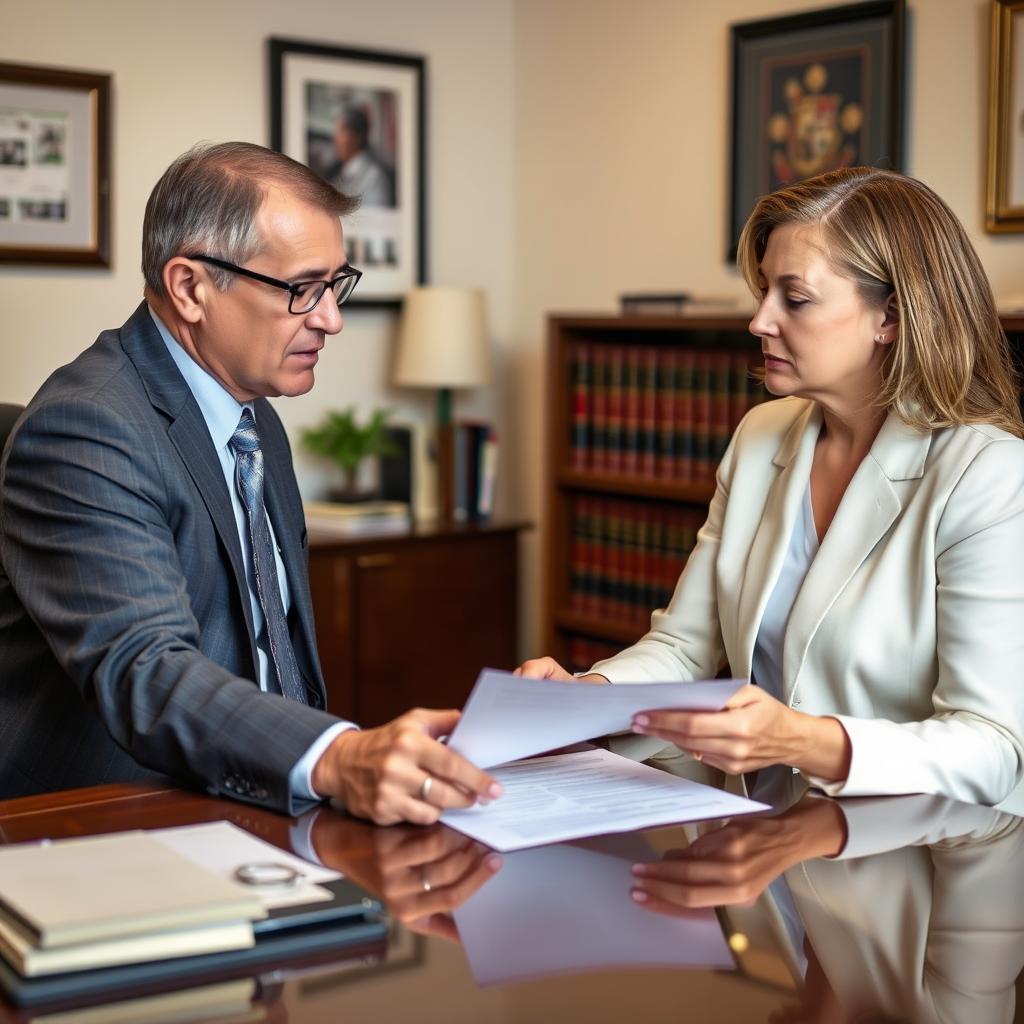
Powhatan County Property Settlement Lawyer — How to Protect Your Assets in a Divorce
A property settlement agreement is a critical contract dividing marital assets and debts in a Virginia divorce. In Powhatan County, these agreements are governed by Va. Code § 20-107.3 and enforced by the Circuit Court. A mistake can cost you thousands. Law Offices Of SRIS, P.C.
Last verified: April 2026 | Powhatan County Circuit Court | Virginia General Assembly
Virginia Property Settlement Law
Virginia is an equitable distribution state, meaning marital property is divided fairly, but not necessarily equally, under Va. Code § 20-107.3. A property settlement agreement (PSA) is a legally binding contract that allows you and your spouse to decide how to divide assets and debts, rather than leaving the decision to a judge. This includes real estate, retirement accounts, businesses, vehicles, and personal property. The agreement must be in writing, signed by both parties, and can be incorporated into your final divorce decree, giving it the force of a court order.
- Gather full financial disclosure for all marital assets and debts.
- Consult with a property settlement lawyer to understand your rights under Virginia law.
- Negotiate the terms of the division, considering tax implications and long-term value.
- Draft a precise, full property settlement agreement.
- File the agreement with the Powhatan County Circuit Court to be incorporated into your divorce decree.
- Execute the terms, such as transferring titles and dividing accounts, as ordered.
Why You Need a Lawyer for Your Settlement Agreement
Drafting a property settlement agreement without legal counsel is high-risk. Overlooking a retirement account, misclassifying separate property, or using ambiguous language can lead to costly enforcement actions or re-litigation years later. A settlement agreement lawyer Powhatan County ensures your agreement is full, legally sound, and protects your future financial security. We identify issues you may not consider, such as the tax consequences of asset transfers or how to handle future bonuses from a marital business.
Resolving Property Disputes
When spouses cannot agree on property division, litigation becomes necessary. A dispute resolution lawyer Powhatan County can represent you in negotiations, mediation, or before the Powhatan County Circuit Court. Disputes often involve business valuations, hidden assets, or arguments over what constitutes marital versus separate property. Our firm leverages experience to advocate for a fair division, whether through settlement or trial.
Samantha Rae Powers, Associate Attorney at Law Offices Of SRIS, P.C. — Licensed in VA, FL. Experienced family law and civil litigator. View Samantha Rae Powers’s Profile
Case Results & Firm Authority
Law Offices Of SRIS, P.C. has 2 total documented case results in Powhatan County across all practice areas, with a 100% favorable outcome rate. Founded in 1997 by former prosecutor Mr. Sris, our firm brings over 120 years of combined attorney experience to every case. Mr. Sris personally amended Virginia’s equitable distribution statute, Va. Code § 20-107.3, giving us unique insight into property division law.
Results may vary. Prior results do not guarantee a similar outcome.
Law Offices Of SRIS, P.C. — Richmond
7400 Beaufont Springs Dr Suite 300 Room 359, Richmond, VA 23225
Toll-Free: (888) 437-7747 | Local: (804)201-9009
By appointment only. 24/7 phone consultations.
Our Richmond location serves clients at the Powhatan County courts. We provide representation for property settlement matters in Powhatan and surrounding communities.
Property Settlement Lawyer Powhatan County FAQs
What is a property settlement agreement in Virginia?
It is a binding contract dividing marital property and debts. Under Va. Code § 20-107.3, it allows divorcing spouses to control their asset division, which can then be made a court order by the Powhatan County Circuit Court.
Can a property settlement agreement be changed after divorce?
It depends. Once incorporated into a final divorce decree, modifying the property division terms is extremely difficult. Changes are typically only possible for provisions related to support or if there was fraud, duress, or a mutual mistake in the agreement’s creation.
What happens if my spouse violates the agreement?
You can file a Motion for Enforcement (Rule to Show Cause) in Powhatan County Circuit Court. The court can hold the violating party in contempt, which may result in fines, attorney’s fee awards, or even jail time until they comply with the order.
Is mediation required for property disputes in Virginia?
No. Virginia courts may refer cases to mediation, but it is not mandatory. A dispute resolution lawyer Powhatan County can advise whether mediation is a beneficial strategy for your specific property settlement conflict.
What is the difference between separate and marital property?
Marital property is generally all assets and debts acquired during the marriage. Separate property includes assets owned before marriage, inheritances, and gifts given solely to one spouse. A clear classification is the first step in any property settlement agreement.
Useful Resources: Review the official Va. Code § 20-107.3 (Equitable Distribution) and the Powhatan County Courts website for forms and procedures.
Related Pages: For broader guidance, see our Virginia Family Law hub. For help in nearby areas, consult a family law lawyer in Henrico County or a family law lawyer in Chesterfield County. For other legal needs in Powhatan, see our Powhatan County criminal defense lawyer page.
Last verified: April 2026. Laws change — contact Law Offices Of SRIS, P.C. at (888) 437-7747 for current guidance.